2026 Causes of Lip Pigmentation: Diet, Sun, and Habits Explained
Explore 2026 causes of lip pigmentation linked to diet, sun exposure, and habits. Learn how to address uneven color naturally with KuriCares.
2026 Causes of Lip Pigmentation: Diet, Sun, and Habits Explained
Uneven lip color is a growing concern in 2026, with research and social media discussions connecting it to diet, sun exposure, and lifestyle habits. Understanding causes of lip pigmentation is key to maintaining healthy, balanced lips. From the impact of caffeine to the role of vitamin deficiencies, this guide breaks down the science behind discoloration and offers actionable solutions.
Can diet cause dark lips in 2026?
Diet plays a surprising role in lip pigmentation. Excessive caffeine consumption, particularly from coffee and energy drinks, has been linked to darkened lip color due to its dehydrating effects and potential to stain. A 2026 study also highlights iron deficiency as a common culprit, as low iron levels can lead to pallor or a bluish tint around the mouth. Additionally, high sugar intake may accelerate collagen breakdown, contributing to uneven texture and tone.
Pro tip: Limit acidic and staining foods (e.g., tomatoes, berries) and pair coffee with water to mitigate dehydration. For nutritional balance, consider this guide on environmental and lifestyle factors.
How does sun exposure affect lip pigmentation?
UV radiation is a top cause of lip pigmentation in 2026. Unlike skin, lips lack melanin to block UV rays naturally, making them prone to sun damage. Prolonged exposure without SPF can lead to hyperpigmentation, dryness, and even precancerous changes. The 2026 trend in lip care emphasizes SPF-infused products to shield against UV-induced discoloration.
- Apply a lip balm with SPF 30+ daily, even on cloudy days
- Reapply after eating, drinking, or sweating
- Use a wide-brimmed hat for added protection
For sun-damaged lips, explore KuriCares’ natural solutions for fading UV-related pigmentation.
Are lip-licking habits linked to discoloration?
Chronic lip-licking may cause a condition called cheilitis, where saliva irritates the skin and leads to dark patches. This habit, often subconscious, strips the lips of natural oils and exposes them to environmental stressors. In 2026, dermatologists increasingly advise addressing this behavior with moisture-rich lip oils to restore the lipid barrier.
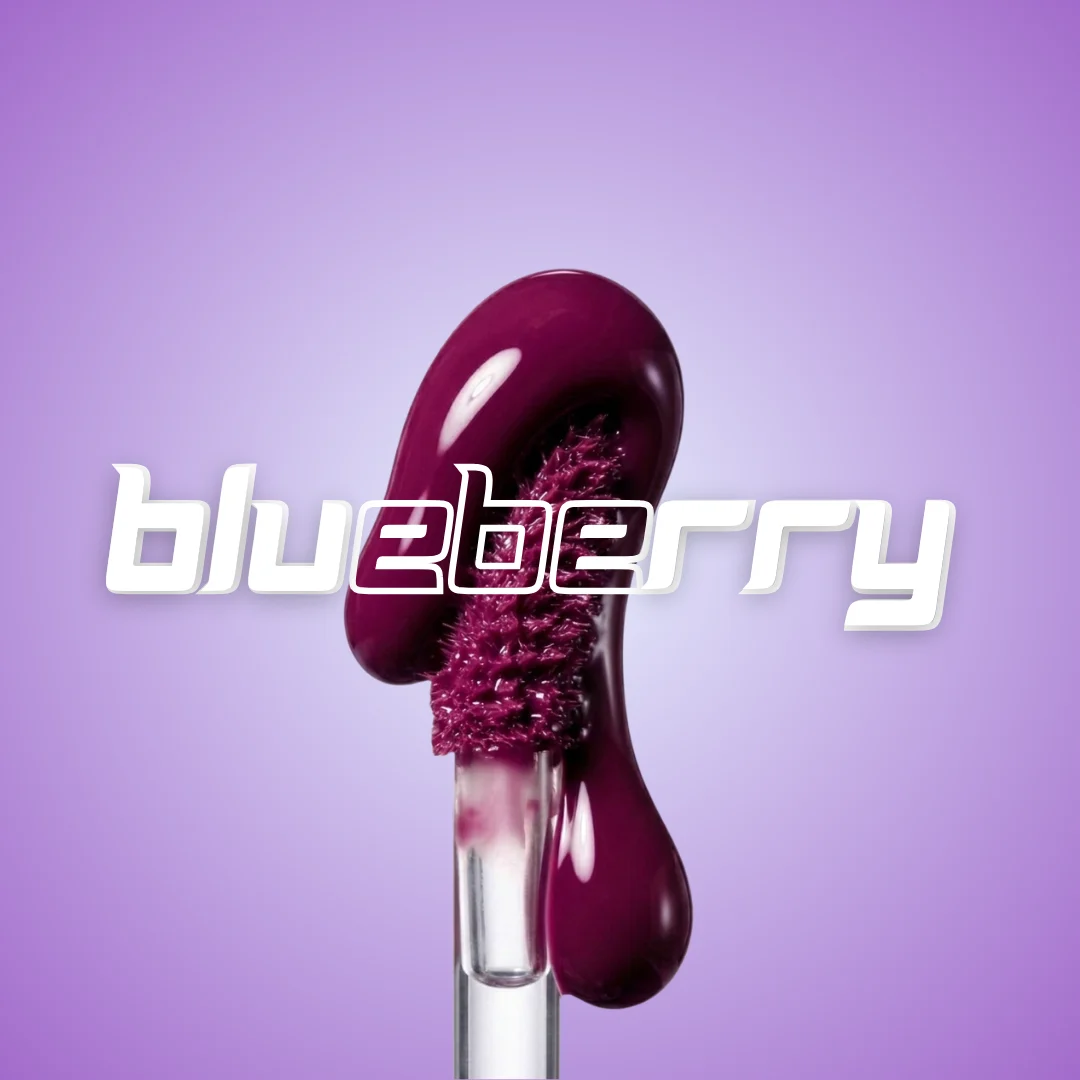
Try Kuri Blueberry Lip Oil for its deep hydration and subtle tint, which can mask uneven pigmentation while preventing further dryness.
Do vitamin deficiencies contribute to lip pigmentation?
Yes. Deficiencies in vitamins B12, E, and C are frequently tied to lip discoloration. Vitamin B12 deficiency, for instance, can cause a pale or ashen lip tone, while vitamin E deficiency may lead to chapping and uneven pigmentation. The 2026 solution? A diet rich in leafy greens, nuts, and citrus fruits, paired with targeted supplements if needed.
For a natural brightening boost, try Kuri Cherry Lip Oil, infused with vitamin E to nourish and protect.
What 2026 lip products prevent pigmentation?
2026’s lip care innovations focus on multi-tasking products that hydrate, protect, and correct. Look for:
- SPF-infused balms to block UV damage
- Hydrating oils with antioxidants (e.g., Kuri Caramel Lip Oil)
- Non-comedogenic formulas to avoid clogging pores
Incorporate these into your routine twice daily for best results.