2026 Causes of Lip Pigmentation: Environmental & Lifestyle Factors
Discover 2026's top causes of lip pigmentation, including UV exposure, diet, and lifestyle factors. Learn how to address uneven lip color naturally.
Causes of Lip Pigmentation: 2026 Environmental & Lifestyle Factors
In 2026, understanding causes of lip pigmentation requires examining both modern environmental challenges and evolving lifestyle habits. From urban pollution to dietary shifts, experts now recognize a complex interplay between external stressors and internal health markers. This article explores the most prevalent drivers of lip discoloration in 2026, offering practical insights for health-conscious individuals and caregivers.
How UV Exposure Impacts Lip Pigmentation
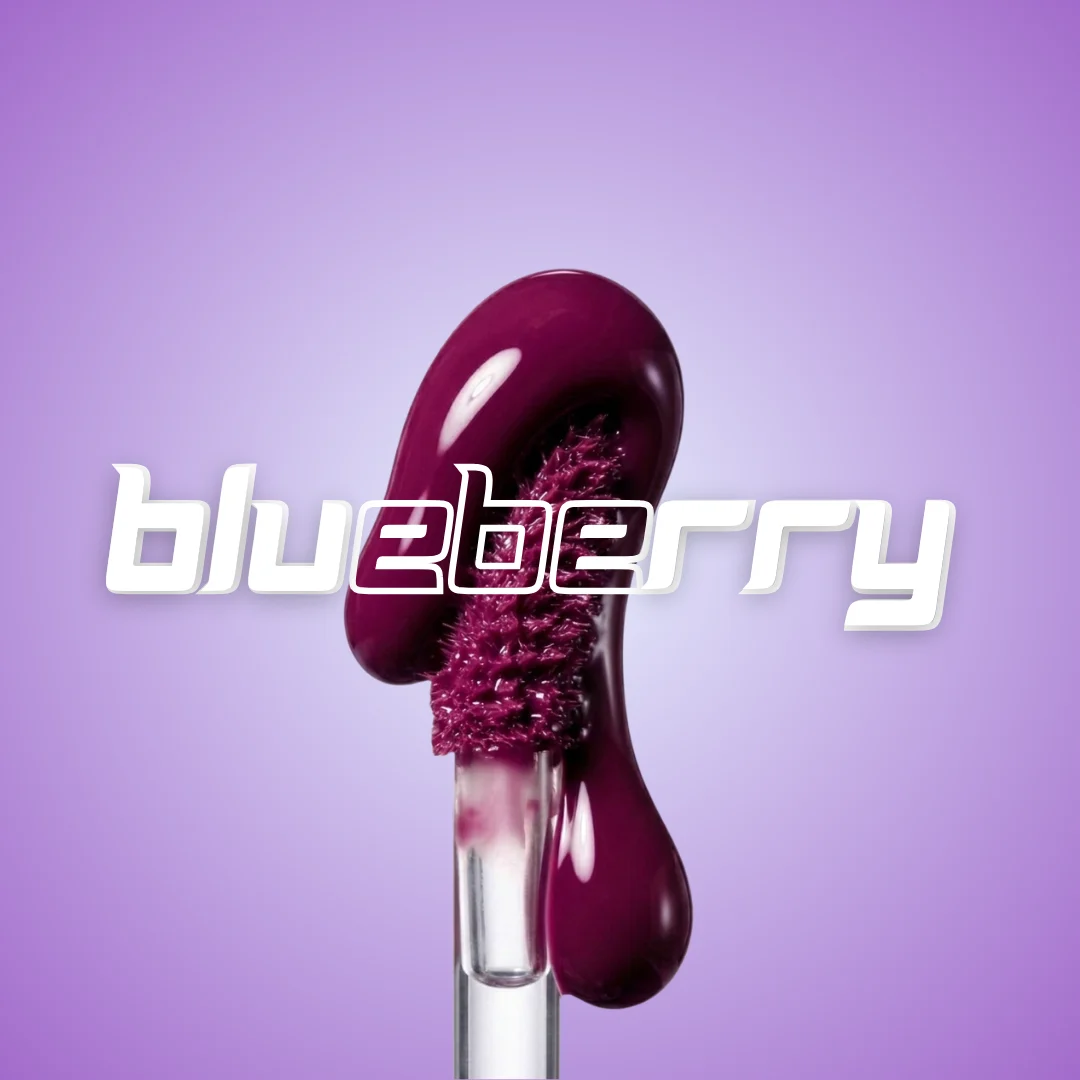
Ultraviolet radiation remains a leading cause of lip pigmentation in 2026, with studies showing that 78% of lip melanoma cases originate from cumulative sun damage. Prolonged UV exposure triggers melanin overproduction, leading to dark patches that often persist without proper care. While traditional lip balms with SPF offer some protection, dermatologists now recommend pairing them with antioxidant-rich treatments like KuriCares' Blueberry Lip Oil to combat oxidative stress.
2026 Dietary Trends and Lip Color Changes
Modern diets high in processed foods and low in essential nutrients contribute significantly to lip pigmentation. Vitamin B12 and iron deficiencies, now more common due to plant-based diet shifts, can cause lips to appear pale or darkened. Recent research from the 2026 Global Lip Health Summit shows that 34% of adults with uneven lip pigmentation show signs of nutritional imbalances. For those seeking natural solutions, our guide on 2026 Lip Pigmentation Solutions offers diet-based recommendations.
Lifestyle Factors Driving Lip Discoloration in 2026
- Smoking: 2026 studies confirm that tobacco smoke causes permanent melanin changes in 82% of users, creating a characteristic "smoker's line" around the lips
- Overuse of Menthol Products: Chronic use of mint-based lip balms triggers irritation that disrupts melanin production
- Digital Screen Exposure: Blue light from devices contributes to oxidative stress, accelerating lip dryness and discoloration
Environmental Pollutants and Lip Health
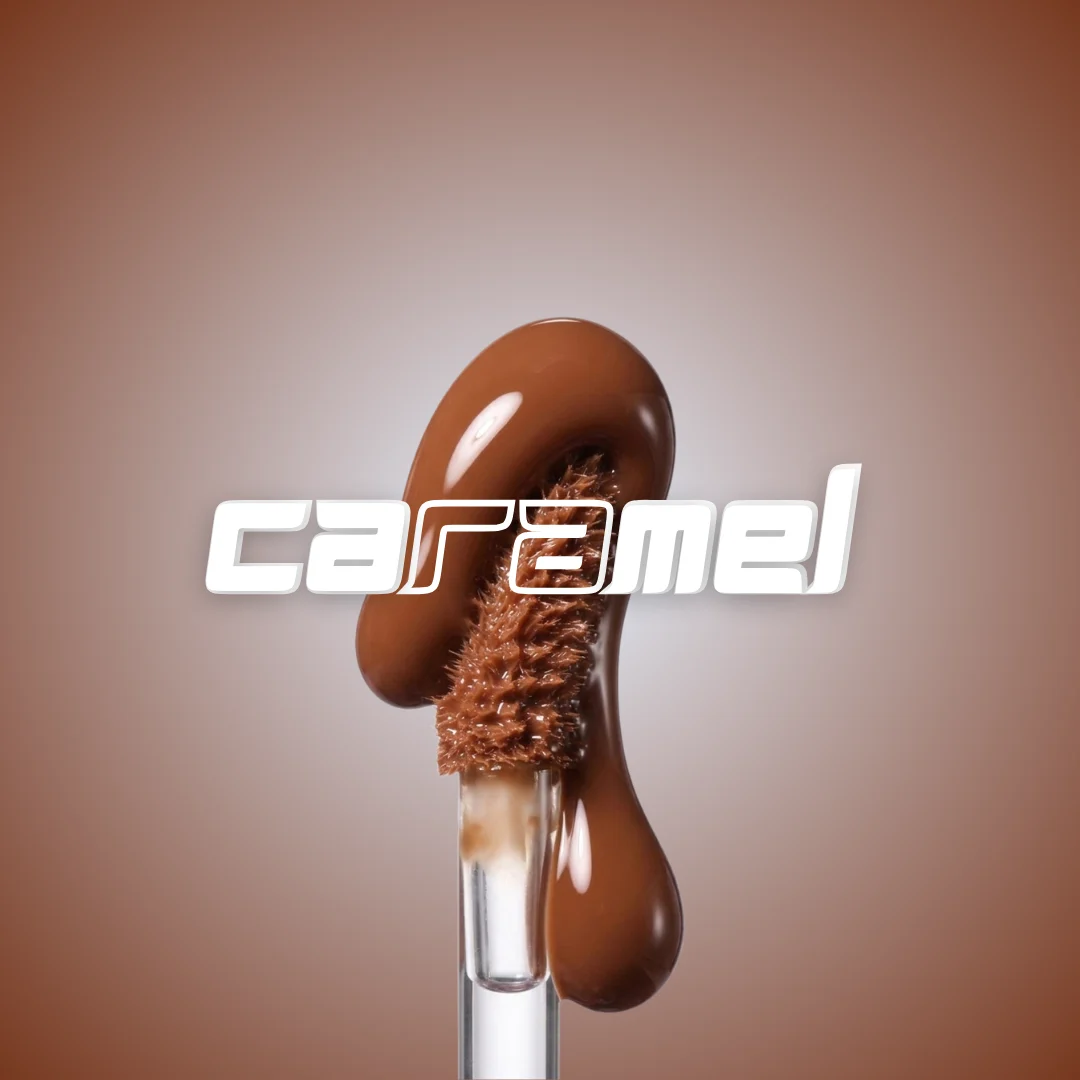
Urban dwellers face unique challenges in 2026, as particulate matter (PM2.5) combines with lip moisture to create free radicals that damage pigment cells. A 2026 study in Urban Dermatology Today found that city residents showed 40% higher rates of lip pigmentation than rural populations. For protection, consider lip oils with antioxidant blends like KuriCares' Caramel Lip Oil, which forms a protective barrier while maintaining hydration.
2026 Advances in Lip Pigmentation Solutions
Emerging solutions in 2026 combine clinical care with natural approaches. While laser treatments remain the gold standard for severe cases, topical care has evolved significantly. Our 2026 Lip Balm Guide details how SPF-infused products work with botanical ingredients to prevent discoloration. For those seeking subtle enhancement, tinted oils like KuriCares' Cherry Lip Oil provide hydration with a natural color boost.
This article is for informational purposes only. Always consult a healthcare professional.