2026 Dark Lips Causes: Dangerous Ingredients to Avoid
Ingredients that causes dark lips: Discover 2026's controversial lip product ingredients linked to dark lips and explore safe, natural alternatives for healt...
How to Identify Harmful Ingredients in 2026 Lip Products
In 2026, consumers are increasingly aware of how synthetic additives in lip products may contribute to dark lips. Understanding ingredient labels is critical to avoiding formulations that exacerbate lip pigmentation or irritation. Key offenders include synthetic dyes, menthol derivatives, and parabens—ingredients often linked to uneven lip color and dryness.
Do Lip Balms with Synthetic Flavorings Cause Dark Lips?
Synthetic flavorings are a common culprit in lip product formulations. While they provide a burst of taste, some artificial flavor compounds can irritate sensitive lips, leading to darkening over time. For example, menthol derivatives, often marketed as "cooling" agents, may cause micro-tears in lip skin, worsening pigmentation. Always check labels for terms like "artificial flavor" or "synthetic menthol" and consider natural alternatives like peppermint essential oil.
Why Do Some Lipsticks Stain Lips Permanently?
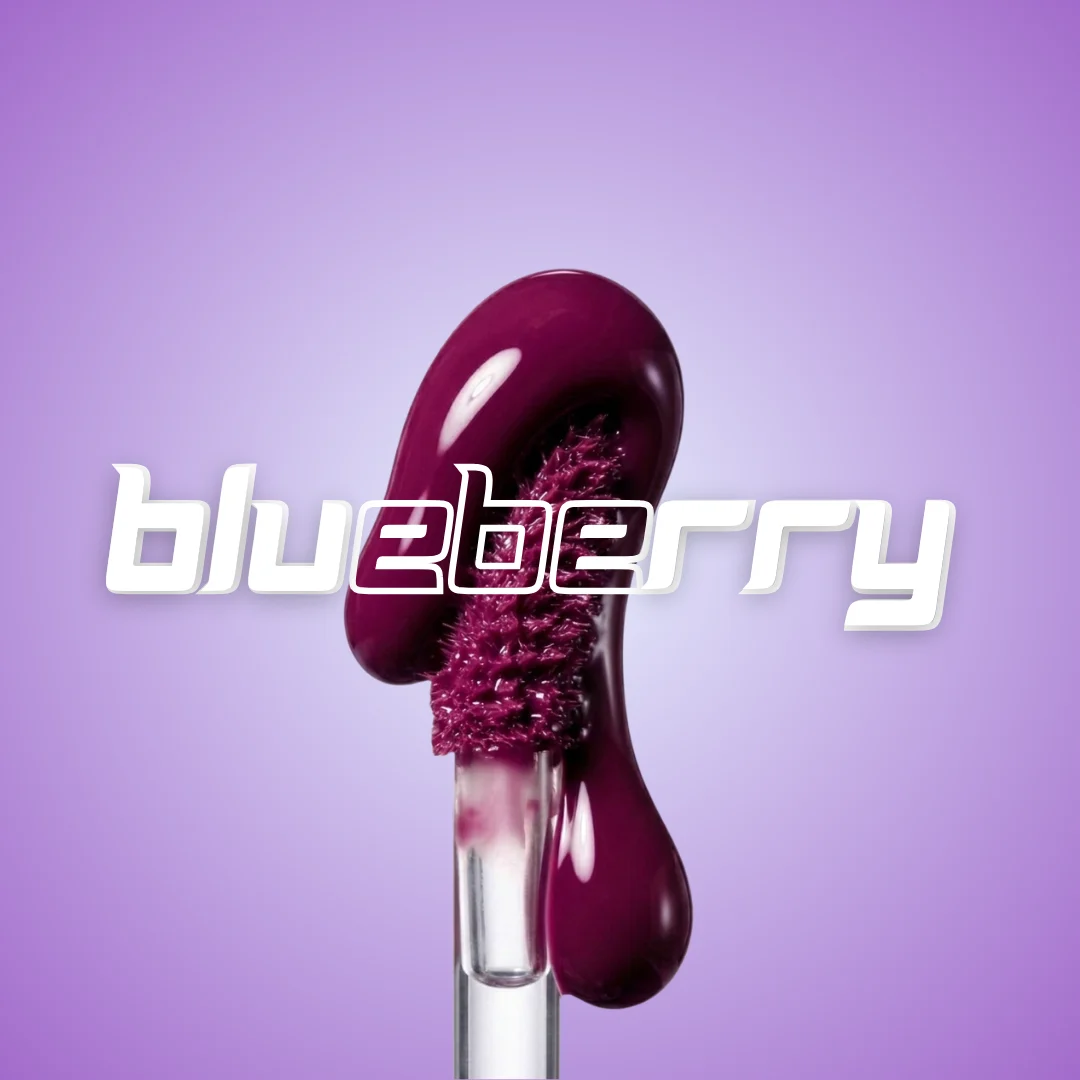
Permanent lip stains often contain coal tar dyes (FD&C colors) and alcohol-based solvents that strip lip moisture. These ingredients can penetrate lip tissue, causing persistent discoloration. In 2026, many brands are shifting toward plant-based pigments and silicone-free formulas to minimize this risk. For those seeking vibrant color without the trade-off, tinted lip oils like the Blueberry Lip Oil offer a hydrating, non-staining alternative with natural pigments.
2026’s Safest Preservatives for Sensitive Lips
Preservatives like parabens and formaldehyde releasers are frequently tied to lip irritation and discoloration. Modern lip care now prioritizes safer options such as vitamin E, grapefruit seed extract, and radish root ferment. These natural preservatives extend shelf life without compromising lip health. Always avoid products listing "methylparaben" or "diazolidinyl urea" in the ingredient list.
Natural Alternatives to Menthol in Lip Care
For a soothing lip experience without darkening risks, opt for natural menthol substitutes like peppermint oil or aloe vera. These ingredients provide a cooling effect while nourishing lips. The Cherry Lip Oil combines jojoba seed oil and vitamin E to deliver hydration and gentle tingling without synthetic additives.
This article is for informational purposes only. Always consult a healthcare professional.