2026 Hydrating Lipsticks with SPF: Dual-Purpose Lip Care Trends
Discover 2026's dual-purpose hydrating lipsticks with SPF. Learn how to choose formulas with hyaluronic acid, natural oils, and sun protection for healthy, v...
2026 Hydrating Lipsticks with SPF: Dual-Purpose Lip Care Trends
This article is for informational purposes only. Always consult a healthcare professional.
2026 brings exciting innovations to lip care, with hydrating lipstick formulas now doubling as sun protection. As clean beauty consumers demand multi-tasking products, brands are responding with lipsticks infused with hyaluronic acid, natural oils, and broad-spectrum SPF. These dual-purpose solutions address dryness, pigmentation, and UV damage while delivering color. Let’s explore how to choose the best options and integrate them into your routine.
How to Choose a Hydrating Lipstick for Chapped Lips?
For dry lips, prioritize formulas with:
- Hyaluronic acid: Attracts moisture for plump, hydrated lips.
- Natural oils: Like avocado or jojoba oil for nourishment and softness.
- Non-comedogenic waxes: To create a protective barrier without clogging pores.
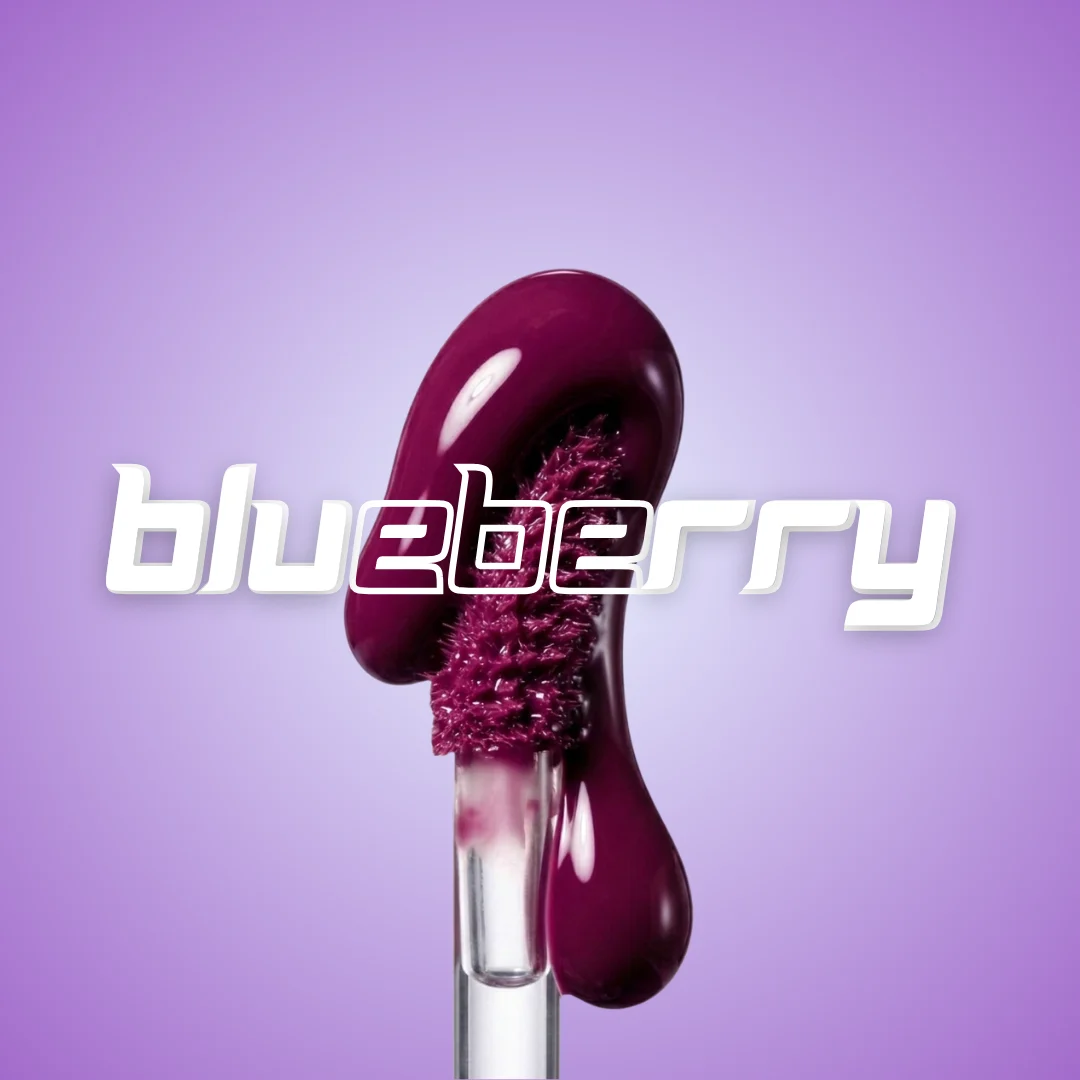
For a dual-purpose solution, consider KuriCares’ Blueberry Lip Oil, which combines a hydrating base with a subtle tint to enhance your natural lip color.
Are SPF Lipsticks Effective for UV Protection?
Yes, but not all SPF lipsticks are equal. Look for:
- Broad-spectrum SPF 15–30: Shields against UVA/UVB rays.
- Reef-safe ingredients: Avoid oxybenzone and octinoxate.
- Water-resistant formulas: For prolonged outdoor use.
Pair your SPF lipstick with a lip balm like Cherry Lip Oil for added hydration. Read 2026 Lipstick Innovations for deeper insights on UV protection.
What Ingredients Should I Avoid in Lip Color?
Steer clear of:
- Parabens: Preservatives that can irritate sensitive skin.
- Synthetic fragrances: Cause dryness and allergic reactions.
- Lead-containing pigments: Found in some cheap lipsticks.
Opt for clean, plant-based alternatives like Caramel Lip Oil, which uses shea butter and vitamin E for safe hydration.
Can Lipstick Cause Lip Pigmentation Issues?
While rare, long-term use of certain dyes may contribute to uneven pigmentation. To minimize risk:
- Remainder thoroughly with a gentle cleanser.
- Exfoliate lips weekly with a soft cloth or sugar scrub.
- Use lip treatments with antioxidants (e.g., vitamin C) to fade dark spots.
For overnight repair, try KuriCares’ 3-Step Lip Glow Routine, combining hydrating oils and SPF for balanced care.
How to Apply Lipstick Without It Feathering?
Use this 3-step technique:
- Prep lips: Exfoliate and apply a hydrating balm like Bubble Gum Lip Oil.
- Outline with a pencil: Define your lips for sharper color payoff.
- Blot and set: Press a tissue lightly over the color to lock it in.
2026 Lipstick Trends: What’s Next?
The future of lipstick lies in multi-tasking: hydration, sun protection, and color in one. As seen in 2026 Nourishing Lip Oils, consumers increasingly prefer products with visible benefits for lip texture and tone. Look for:
- Peptide-infused formulas for anti-aging.
- Color-correcting tints for pigmentation.
- Biodegradable packaging for sustainability.
Whether you’re treating chapped lips or protecting against sun damage, 2026’s hydrating lipsticks with SPF are revolutionizing daily routines. Prioritize clean, effective ingredients and pair them with KuriCares’ science-backed solutions for lasting lip health.