2026 Lip Care Routine: Fix Pigmentation & Dryness with Science
In 2026, personalized lip care routines tackle dryness and pigmentation with DNA-based tech. Learn nightly rituals, climate-adaptive products, and KuriCares...
2026 Lip Care Routine: Fix Pigmentation & Dryness with Science
2026 marks a shift toward personalized lip care routines, blending DNA-based skincare technology with climate-responsive products to combat dryness, chapping, and uneven pigmentation. As extreme weather patterns and social media-driven habits reshape our routines, science-backed solutions like barrier repair, nightly masks, and multi-functional oils are becoming essential. Let’s explore how to build a tailored lip care routine for your unique needs.
How to Fix Chapped Lips in Winter 2026’s Harsh Climate
Winter 2026’s extreme cold and wind have intensified lip dryness, making barrier repair critical. Start with a gentle exfoliation using a soft toothbrush or sugar-based scrub, then layer:
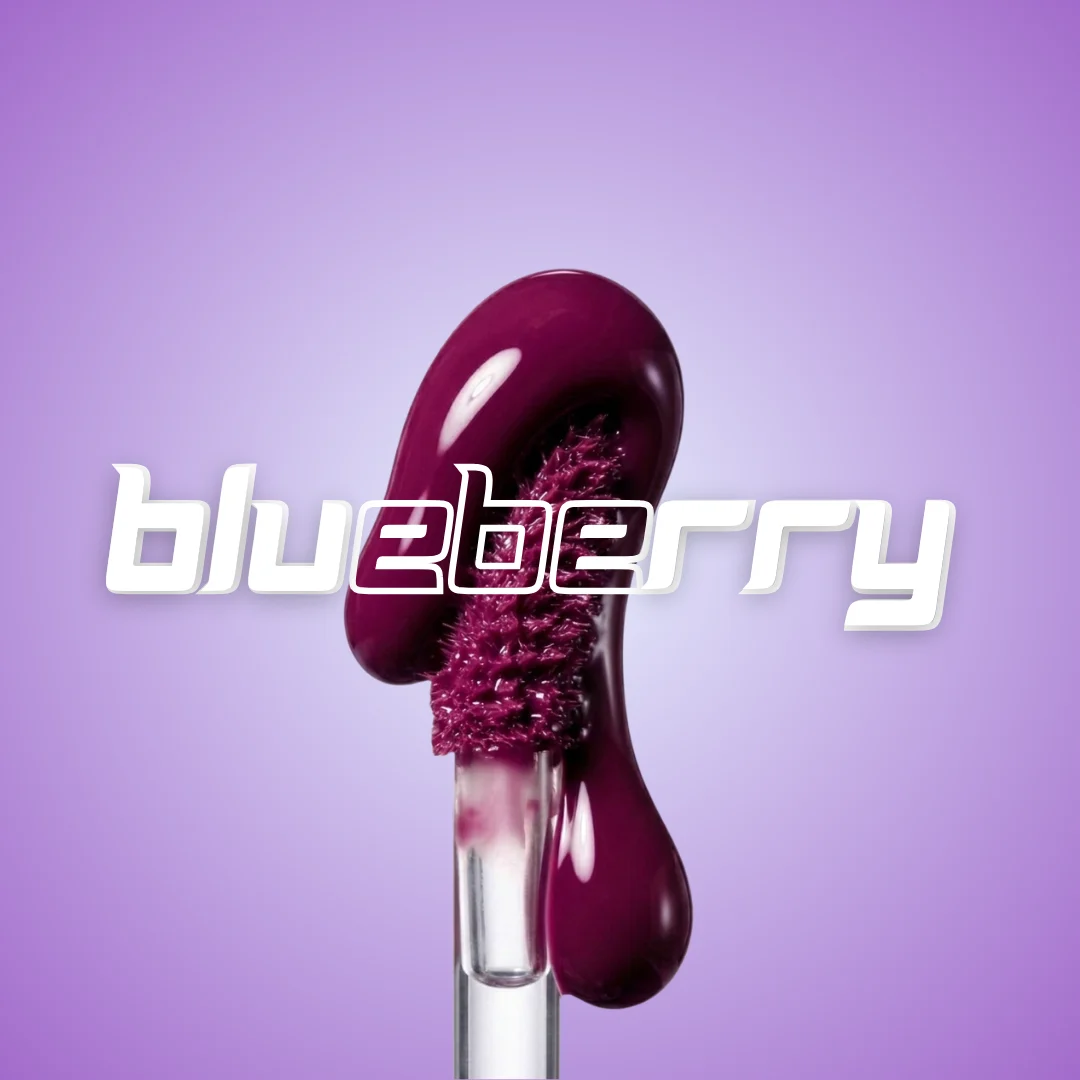
- Hydrating oils like KuriCares’ Kuri Blueberry Lip Oil for deep moisture.
- Occasionally apply a lip mask overnight, as trending on TikTok’s #LipMaskChallenge.
- Reapply SPF-infused balms during the day to prevent further damage.
This article is for informational purposes only. Always consult a healthcare professional.
Ingredients That Target Lip Pigmentation Without Bleaching
2026’s focus on natural pigmentation correction avoids harsh bleaching agents. Prioritize these lab-backed ingredients:
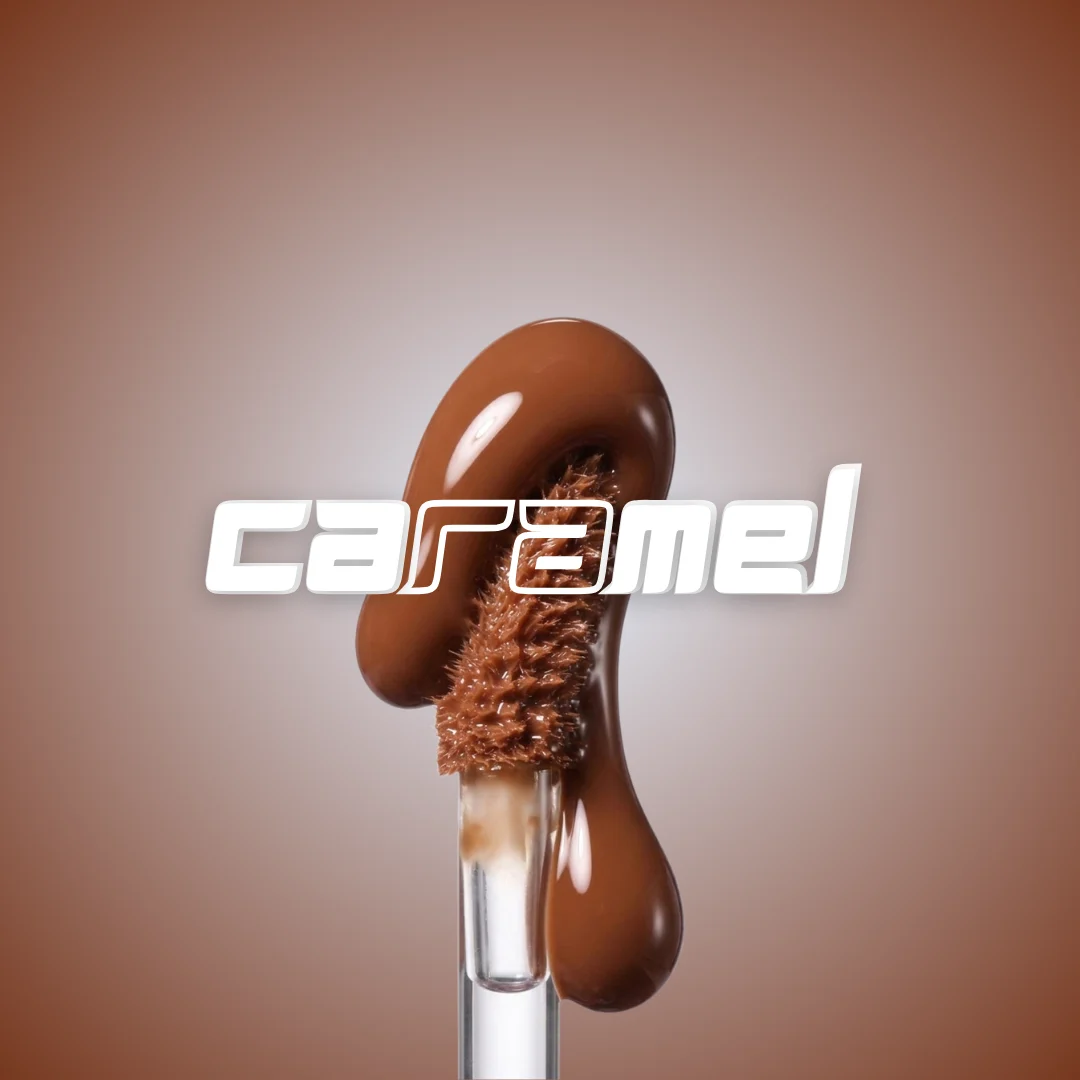
- Vitamin E (in KuriCares’ Caramel Lip Oil) to even tone.
- Avocado oil to nourish and reduce dark patches.
- Jojoba seed oil for gentle exfoliation and hydration.
Pair these with antioxidants like raspberry seed oil (found in Caramel Lip Oil) to protect against environmental stressors.
Are Personalized Lip Serums Worth the Investment in 2026?
Yes—if they’re formulated with your DNA or skin type. 2026’s rise in customized lip serums uses AI to analyze moisture levels and pigmentation, tailoring blends of hyaluronic acid, ceramides, and botanical oils. While KuriCares does not yet offer DNA-based serums, our 2026 hydrating lip oils mimic this personalization through multi-functional formulas like the Cherry Lip Oil, designed for pigmentation and dryness.
How Often Should You Exfoliate Lips for Optimal Hydration?
Over-exfoliation worsens dryness. In 2026, experts recommend 2-3 times weekly using a:
- Mild scrub (e.g., honey + brown sugar).
- Chemical exfoliant with lactic acid (once weekly for thick buildup).
Follow with a hydrating oil like KuriCares’ Vanilla Lip Oil to seal moisture. Avoid exfoliating if lips are cracked or irritated.
Can Lip Care Routines Prevent Long-Term Sun Damage in 2026?
Yes, but only with consistent SPF protection. 2026’s top lip care routines include:
- SPF 30+ balms with antioxidants for UV defense.
- Nighttime repair with vitamin E-rich oils.
- Hydration boosters like Vanilla Lip Oil to strengthen the skin barrier.
For a deeper dive, explore KuriCares’ guide to 2026 hydration strategies.
Conclusion
2026’s lip care routines prioritize personalization, science, and climate adaptability. By combining DNA-informed products, nightly masks, and climate-conscious hydration, you can address dryness, pigmentation, and sun damage effectively. Start with small changes—like switching to a multi-tasking oil—and let your routine evolve with the latest research.