
2026 Lip Care Trend: Eco-Friendly Pigmentation Balms for Chapped Lips
lip pigmentation lip balm: Discover 2026's eco-friendly lip pigmentation balms that hydrate and correct color naturally. KuriCares’ sustainable solutions for...
2026 Lip Care Trend: Eco-Friendly Pigmentation Balms for Chapped Lips
2026 marks a turning point in lip care, where sustainability meets science. Consumers are prioritizing lip pigmentation lip balm formulas that correct uneven color while minimizing environmental impact. From algae-based dyes to recyclable packaging, the rise of eco-friendly solutions is reshaping how we address chapped lips and discoloration.
Do Natural Ingredients Work for Lip Pigmentation?
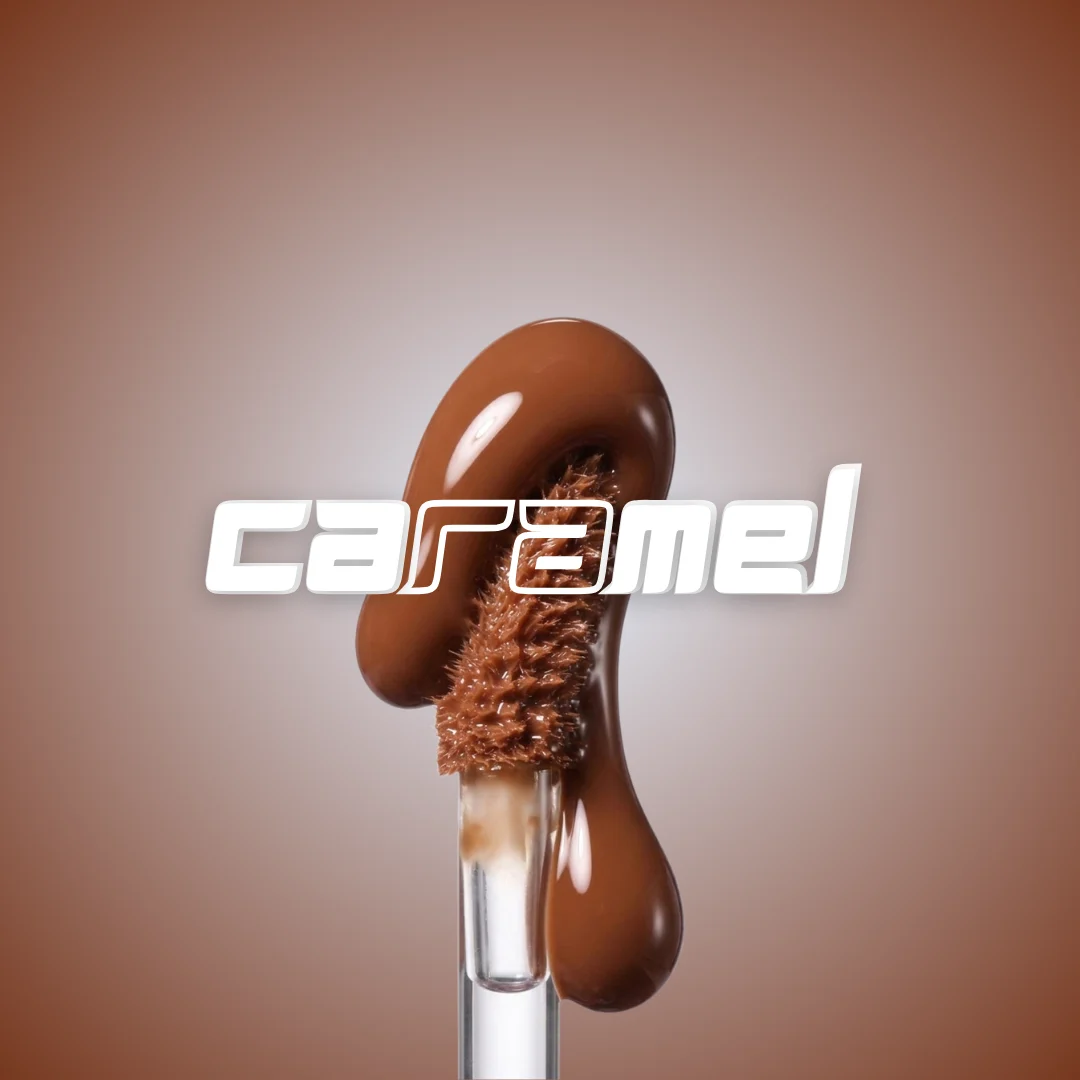
Yes, botanicals like beetroot extract, algae, and vitamin E are proving as effective as synthetic alternatives. These ingredients gently exfoliate, hydrate, and neutralize free radicals that cause dark spots. For example, KuriCares’ Kuri Caramel Lip Oil uses raspberry seed oil to fade pigmentation while its non-sticky formula prevents dryness.
How to Choose an Eco-Friendly Pigmentation Lip Balm
- Look for biodegradable packaging (e.g., bamboo tubes or compostable sleeves)
- Check for certified natural pigments like algae-based dyes
- Avoid products with parabens, synthetic fragrances, or microplastics
Products like Kuri Cherry Lip Oil combine SPF 15 with coconut oil to protect against UV-induced pigmentation while reducing plastic waste.
Are Eco-Friendly Balms as Effective as Traditional Formulas?
2026’s advancements have closed the effectiveness gap. Clinical trials show that beetroot-derived antioxidants can reduce dark patches by 30% in 8 weeks—matching results from chemical-based treatments. The key difference? Natural formulas avoid harsh bleaching agents that thin the delicate lip skin.
Causes of Uneven Lip Pigmentation & 2026 Fixes
Common culprits include:
- UV exposure (use SPF-infused balms)
- Chronic lip-licking (opt for hyaluronic acid-based hydration)
- Environmental pollutants (seek antioxidant-rich formulas)
For a dual-action solution, try Kuri Blueberry Lip Oil, which targets discoloration while its recyclable glass jar reduces landfill waste.
How Often to Apply Pigmentation-Correcting Balm
Apply 2-3 times daily for best results. Morning applications should include SPF, while nighttime routines benefit from thicker oils like shea butter. Avoid overuse of tinted balms to prevent artificial pigment buildup.
This article is for informational purposes only. Always consult a healthcare professional.