2026 Lip Care Trends: Biodegradable Balms & Personalized Pigmentation
Lip care in 2026 merges biodegradable products and AI-driven pigmentation solutions. Learn how eco-conscious routines and personalized treatments address dry...
2026 Lip Care Trends: Biodegradable Balms & Personalized Pigmentation
This article is for informational purposes only. Always consult a healthcare professional.
2026 ushered in a new era of eco-conscious lip care, where biodegradable formulas and AI-driven personalization lead the charge. From reducing environmental impact to addressing unique lip concerns, today’s innovations merge sustainability with science. Discover how to simplify your routine while achieving hydrated, even-toned lips.
How to Choose a Biodegradable Lip Balm for Chapped Lips
Biodegradable lip balms are formulated with plant-based ingredients that break down naturally, avoiding microplastic pollution. When selecting a product, look for:
- Plant-based oils: Argan, jojoba, or avocado oil mimic the skin’s natural lipids.
- Mineral-based SPF: Protects lips from UV-induced pigmentation and dryness.
- Zero synthetic waxes: Opt for eco-friendly emulsifiers like beeswax alternatives.
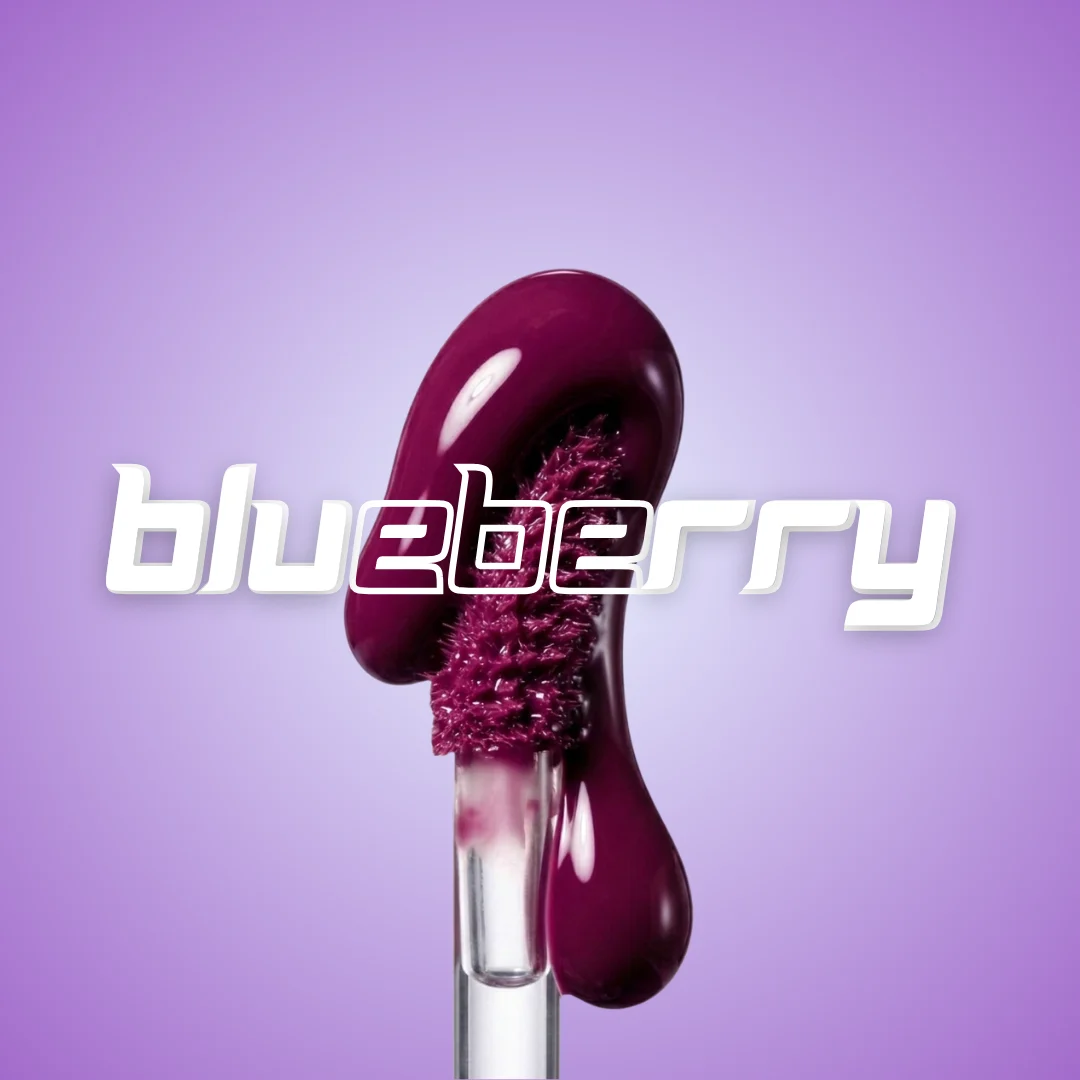
Products like the Kuri Blueberry Lip Oil blend hydration and gentle pigmentation correction using natural oils like almond and avocado, making them ideal for chapped lips.
What Ingredients Brighten Lip Pigmentation in 2026?
2026’s top pigmentation-brightening formulas leverage antioxidant-rich ingredients and AI-analyzed custom blends:
- Raspberry Seed Oil: Fades dark spots while adding a subtle tint.
- Vitamin E: Repairs dryness and protects against environmental stressors.
- Natural Pigments: Derived from berries or flowers for even color without streaking.
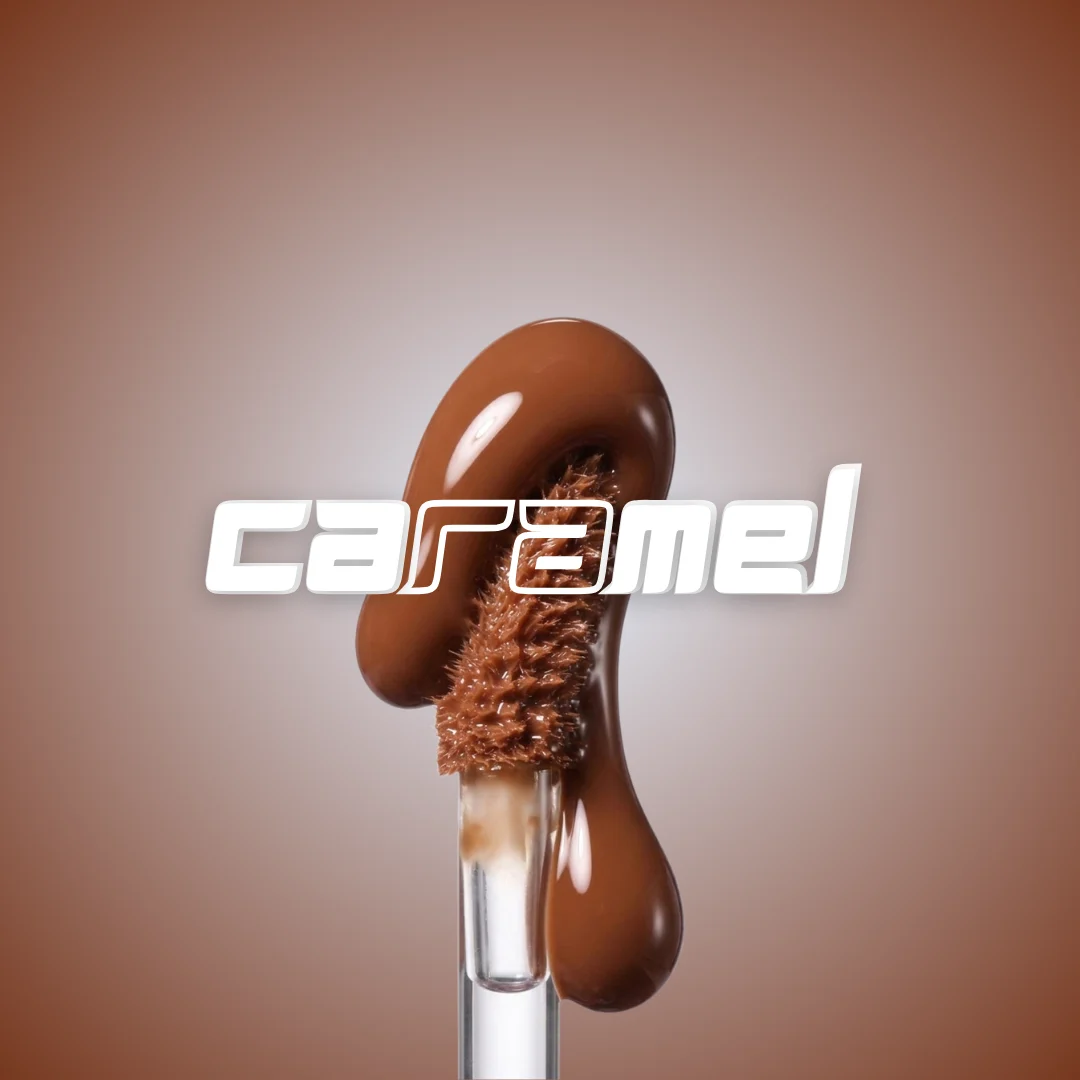
For example, the Kuri Caramel Lip Oil uses shea butter and raspberry seed oil to reduce pigmentation while delivering a glossy finish. Pair this with a weekly exfoliating lip scrub (linked to this blog) for optimal results.
Are Personalized Lip Treatments Worth the Cost?
AI-powered tools now analyze lip texture, pigmentation, and hydration levels to recommend customized products. These solutions are particularly effective for:
- Targeting genetic pigmentation patterns
- Adjusting SPF levels for your climate
- Matching tint intensity to your natural lip color
While initial costs may be higher, personalized treatments reduce trial-and-error expenses. For budget-friendly options, consider products like the Kuri Cherry Lip Oil, which offers multi-tasking hydration, color, and pigmentation correction in one step.
How to Prevent Lip Dryness in 2026’s Extreme Weather
2026’s unpredictable climate demands multi-layered protection. Create a daily routine like this:
- Morning: Apply a biodegradable SPF balm with non-nano zinc oxide.
- Midday: Use a humidifying oil (e.g., Kuri Vanilla Lip Oil) to lock in moisture.
- Evening: Exfoliate gently with a sugar-based scrub to remove dead skin.
For caregivers: Keep travel-sized treatments handy for sudden dryness. Our detailed 2026 lip care routine includes weather-specific tips for sensitive lips.
Can Natural Oils Replace Commercial Lip Balms?
Natural oils like coconut, jojoba, and sweet almond oil can hydrate lips effectively when:
- Applied consistently (3-4 times daily)
- Combined with SPF during sun exposure
- Not used on severely cracked lips (use a medical-grade balm first)
For best results, try a natural oil blend with added antioxidants for UV protection. For extreme cases, supplement with a commercial balm that contains ceramides to rebuild the skin barrier.
Why KuriCares Stands Out in 2026
Our products bridge eco-conscious values and medical-grade results. For instance, tinted balms now include hyaluronic acid to plump lips while correcting pigmentation. This aligns with 2026’s demand for multi-functional, sustainable lip care solutions.