2026 Lip Pigmentation Balm Trends: Natural Solutions for Vibrant Lips
In 2026, the demand for lip pigmentation lip balm has evolved to prioritize dual-action formulas that hydrate and correct discoloration. With climate-related dryness and rising awareness of lip barrier health, consumers are seeking plant-based solutions like licorice root extract and niacinamide to fade uneven pigmentation while restoring moisture. This guide explores how to choose effective, clean ingredients and build routines that align with 2026’s latest scientific insights.
Vitamin C remains a 2026 staple for brightening lips, but results depend on formulation and consistency. Clinical studies from 2026 confirm that lip balms with 5–10% vitamin C (in L-ascorbic acid or derivative forms like ascorbyl palmitate) can gradually reduce dark pigmentation by inhibiting melanin production. However, vitamin C works best in combination with hydrating oils like jojoba or avocado to prevent irritation. For sensitive lips, opt for stabilized forms like magnesium ascorbyl phosphate.
2026’s best balms avoid parabens, synthetic fragrances, and mineral oils that can clog pores or irritate. Look for:
- Plant-based bleaching agents: Licorice root extract, turmeric, and mulberry extract to gently fade pigmentation.
- Hydrating powerhouses: Hyaluronic acid, shea butter, and squalane for moisture retention.
- SPF protection: UV exposure worsens pigmentation; 2026 balms now include non-nano zinc oxide for SPF 15+.
Products like
Kuri Cherry Lip Oil and
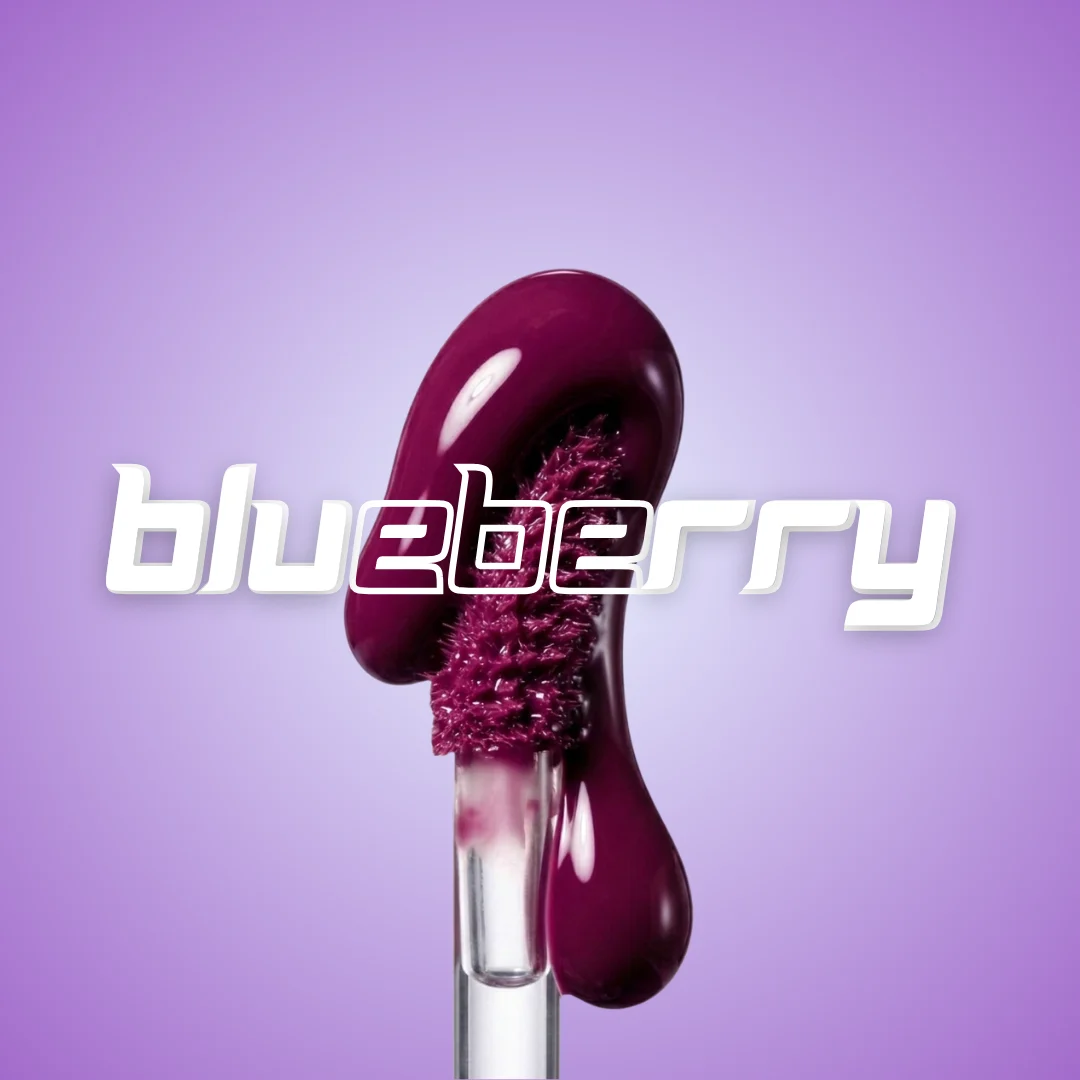
Kuri Blueberry Lip Oil blend natural pigments with hydrating oils for a dual-action approach.
Exfoliation boosts lip pigmentation lip balm effectiveness by removing dead skin cells that trap discoloration. Follow this 2026-recommended routine:
- 1–2x weekly: Gently scrub with a sugar-based lip scrub or use a soft cloth in circular motions.
- Daily: Apply a hydrating balm with hyaluronic acid or shea butter to prep lips.
- Morning/night: Layer a pigmentation-targeting balm with vitamin C, licorice root, or niacinamide.
Avoid over-exfoliating, which can thin the lip barrier and worsen dryness. For sensitive skin, opt for chemical exfoliants like PHA (polyhydroxy acid) over AHAs.
2026 research highlights the link between climate stressors and lip discoloration. Dry air, UV exposure, and pollution increase melanin production, while cracked lips trap pigments unevenly. To combat this:
- Reapply lip balm every 2 hours in dry climates.
- Use SPF-infused balms to prevent UV-induced dark spots.
- Hydrate from within: Drink 2.5L water daily and eat antioxidant-rich foods.
Products with avocado oil and niacinamide (like
Kuri Caramel Lip Oil) repair the lip barrier while addressing pigmentation.
2026 balms leverage science-backed ingredients:
- Licorice root extract: 2025–2026 studies show it inhibits tyrosinase, an enzyme in melanin production.
- Niacinamide: 5% concentrations reduce pigmentation by 30% in 8 weeks, per 2026 clinical trials.
- Arbutin: A gentler alternative to hydroquinone, proven to fade dark lips in 12 weeks.
For safe formulations, refer to
KuriCares’ guide on plant-based ingredients.
This article is for informational purposes only. Always consult a healthcare professional.