2026 Nourishing Lip Oils: Tinted & Hydrating Trends for Healthy Lips
Discover 2026’s top nourishing lip oils with SPF, tint, and hydration. Learn how to choose the best for chapped lips, pigmentation, and daily wear.
2026 Nourishing Lip Oils: Tinted & Hydrating Trends for Healthy Lips
In 2026, nourishing lip oils are evolving to meet the demand for multi-functional care. Tinted formulas with SPF, hyaluronic acid, and plant-based oils are rising as the ultimate solution for dryness, pigmentation, and UV protection. These oils blend hydration, subtle color, and sun defense into one non-sticky, wearable finish. For health-conscious users and caregivers, understanding how to choose and use these products can transform lip care routines into efficient, effective rituals.
Why Tinted Nourishing Lip Oils Outshine Traditional Balms
Traditional lip balms often prioritize hydration or color but fall short on sun protection. Tinted nourishing lip oils with SPF 30+ address all three concerns. Here’s how they compare:
- Hydration: Oils like coconut, avocado, and jojoba penetrate deeper than waxy balms.
- Color: Natural pigments enhance lip tone without staining or fading.
- SPF: Mineral-based sunscreens in oils shield against UV-induced dryness and pigmentation.
- Finish: Lightweight, non-greasy textures avoid the heaviness of traditional balms.
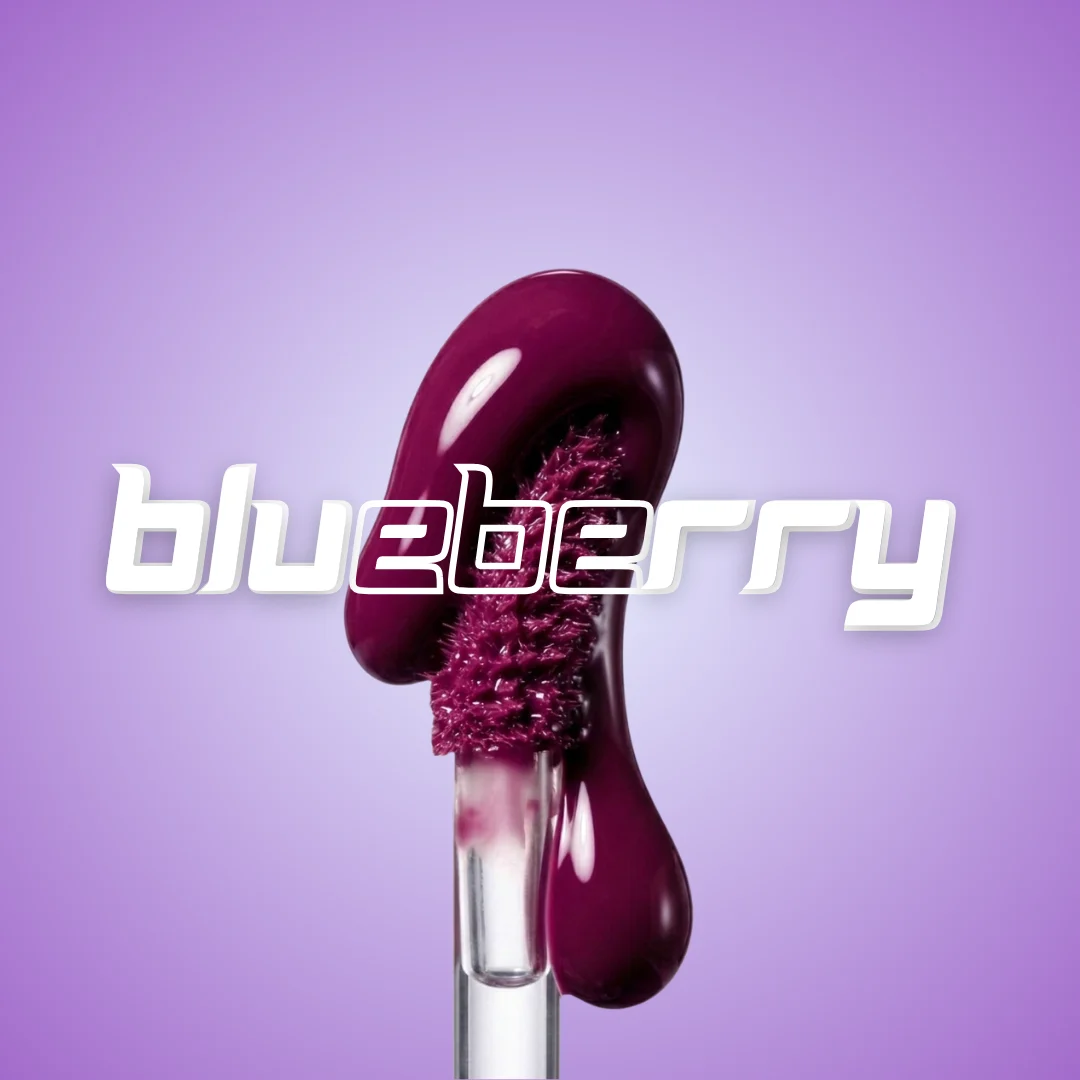
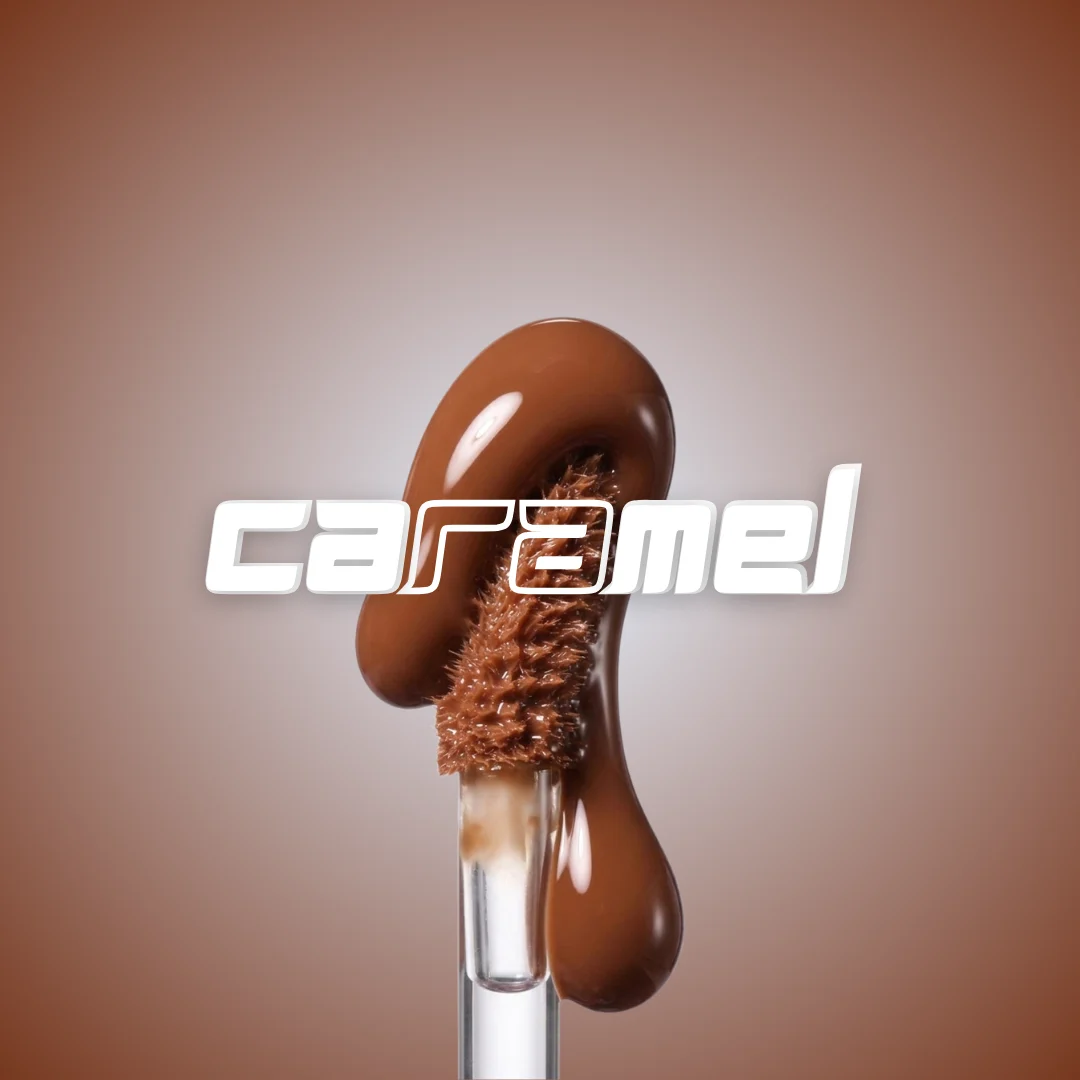
For example, KuriCares’ Blueberry Lip Oil uses avocado and almond oils to deliver a unique black tint and 24-hour hydration, while the Caramel Lip Oil infuses raspberry seed oil for antioxidant-rich protection.
Can Nourishing Lip Oils Fix Chapped Lips Overnight?
Yes, but consistency matters. Nourishing lip oils with occlusive ingredients (like shea butter or mineral oil) create a moisture barrier to prevent further chapping. For overnight recovery, apply a thick layer before bed and pair with gentle exfoliation. KuriCares’ Cherry Lip Oil, with its coconut and vitamin E blend, is ideal for dry, cracked lips.
Routine Tip: Apply your nourishing lip oil after a warm shower when lips are slightly damp. This locks in moisture more effectively than applying to completely dry skin.
Are Natural Ingredients Effective in Nourishing Lip Oils?
Absolutely. Ingredients like jojoba seed oil, strawberry seed oil, and avocado oil mimic the skin’s natural lipids to reinforce the lip barrier. KuriCares’ Bubble Gum Lip Oil uses sweet almond oil and vitamin E for lightweight hydration without synthetic additives. Look for products with non-comedogenic, non-irritating formulas—especially for sensitive skin.
How to Choose Nourishing Lip Oil for Dark Lip Pigmentation
For uneven pigmentation, opt for formulas with mild exfoliating agents (like natural fruit oils) and antioxidants. Tints that enhance your natural lip color—such as the Blueberry Lip Oil’s black hue—can visually balance dark patches. Avoid heavy dyes that may irritate or darken pigmentation further.
Pair your nourishing lip oil with sun protection (SPF 30+) and gentle exfoliation 2-3 times weekly for visible improvement over 4-6 weeks.
2026 Trends: Climate-Adaptive Nourishment
As climate change impacts skin health, lip care is adapting. Nourishing lip oils now include climate-responsive ingredients like hyaluronic acid (for humidity) and mineral SPF for UV resilience. Explore KuriCares’ guide to climate-smart lip care to tailor your routine to your environment.
Conclusion
2026’s nourishing lip oils redefine multi-tasking beauty. By combining hydration, tint, and sun protection, these oils simplify routines while addressing dryness, pigmentation, and environmental stressors. For caregivers and self-care advocates, prioritizing clean, effective formulas like KuriCares’ plant-based oils ensures lips stay supple, vibrant, and protected year-round.
Disclaimer: This article is for informational purposes only. Always consult a healthcare professional.