2026 Pigmentation Cream Guide: Natural Solutions for Climate-Responsive Lip Care
In 2026, the rise of eco-conscious beauty has brought climate-adaptive pigmentation creams to the forefront of lip care. These innovative formulas combine natural ingredients like hyaluronic acid and algae extracts with climate-responsive technology to address hyperpigmentation while protecting lips from UV exposure, pollution, and extreme weather. As demand grows for sustainable, multi-functional products, understanding how to choose and use these creams effectively is key to maintaining healthy, even-toned lips.
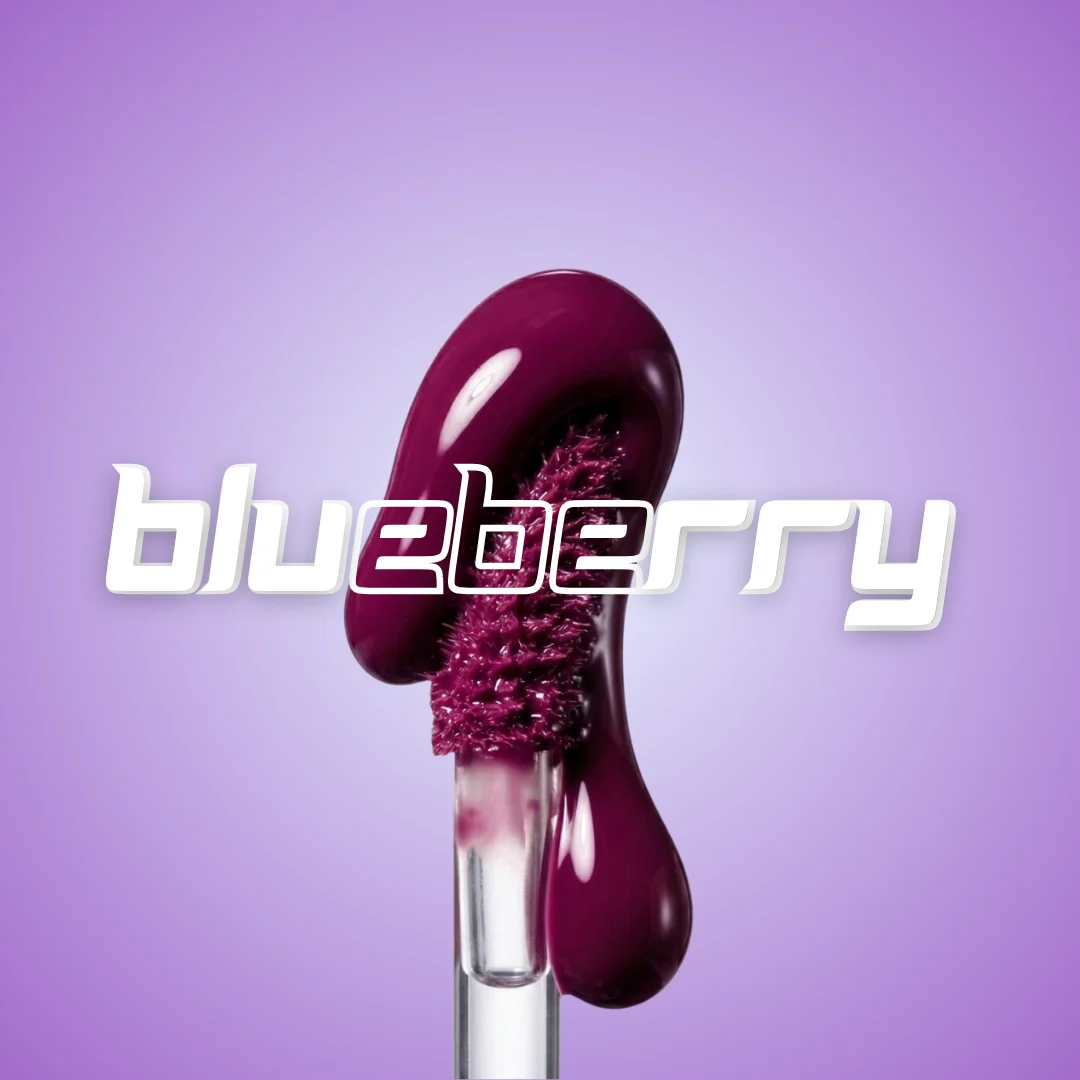
While chemical-based pigmentation creams often deliver quick results through synthetic exfoliants like hydroquinone, natural pigmentation creams prioritize long-term lip health. Ingredients like vitamin C, turmeric, and licorice root gently reduce dark spots over 4–6 weeks. For sensitive lips, natural formulas are less likely to cause irritation, making them ideal for daily use. KuriCares’ Blueberry Lip Oil blends blueberry extract with hyaluronic acid to hydrate and brighten lips naturally, supporting a gradual, sustainable transformation.
Sensitive lips require non-irritating pigmentation creams with minimal synthetic additives. Look for:
- Moisturizing bases like shea butter or jojoba oil
- Anti-inflammatory botanicals (aloe vera, chamomile)
- No alcohol, parabens, or artificial fragrances
KuriCares’
Cherry Lip Oil uses antioxidant-rich coconut oil and vitamin E to soothe and hydrate while delivering a subtle crimson tint. Always patch-test new products and introduce them gradually.
Climate-adaptive formulas adjust to environmental conditions, making them ideal for unpredictable 2026 weather patterns. For example, creams infused with algae extract or ceramides provide UV protection in sunny climates and barrier reinforcement in dry, polluted areas. While these products may cost 15–20% more than standard creams, their multi-tasking benefits (hydration, pigmentation correction, SPF) reduce the need for separate lip products. For travelers or those in urban environments, this efficiency justifies the investment.
While no cream can fully prevent sun damage, many modern pigmentation creams include SPF 15–30 to shield lips from UV-induced darkening. Pair this with a daily routine of reapplying SPF after 2 hours outdoors. For maximum protection, choose products with physical blockers like zinc oxide. For a comprehensive guide to SPF-infused lip care, read 2026’s Best Lip Balm for Pigmentation.
2026 trends emphasize clean, minimal ingredient lists. Avoid:
- Hydroquinone (linked to ochronosis in high doses)
- Synthetic fragrances (common irritants)
- Alcohol (strips natural lip oils)
Instead, prioritize natural brighteners like licorice root extract and niacinamide. For DIY enthusiasts,
Natural Ways to Enhance Pigmented Lips offers safe, plant-based alternatives.
This article is for informational purposes only. Always consult a healthcare professional.