2026 Tinted Lip Balm Trends: Color + Care for Healthy Lips
Discover 2026’s tinted lip balm trends that heal and color lips. These multi-functional balms offer hydration, pigmentation correction, and SPF for healthy,...
How Tinted Lip Balms Repair Dry Lips in 2026
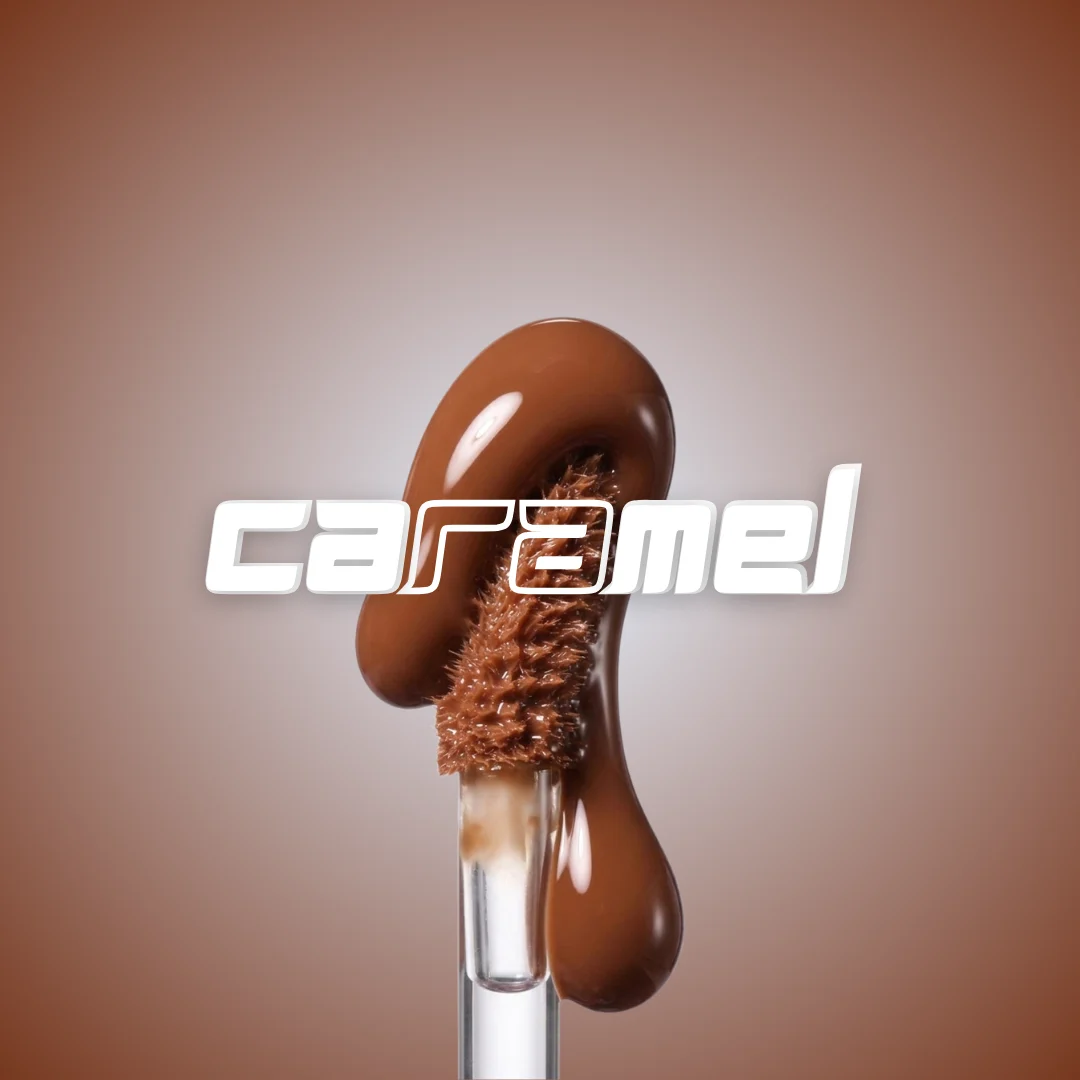
Modern tinted lip balms go beyond color—they’re designed to heal. Ingredients like hyaluronic acid, shea butter, and SPF-infused oils deliver deep hydration while protecting lips from environmental stressors. For example, Kuri Caramel Lip Oil combines raspberry seed oil with a purple tint to repair dryness and enhance natural lip color.
Best Tinted Lip Balms for Pale Lip Pigmentation
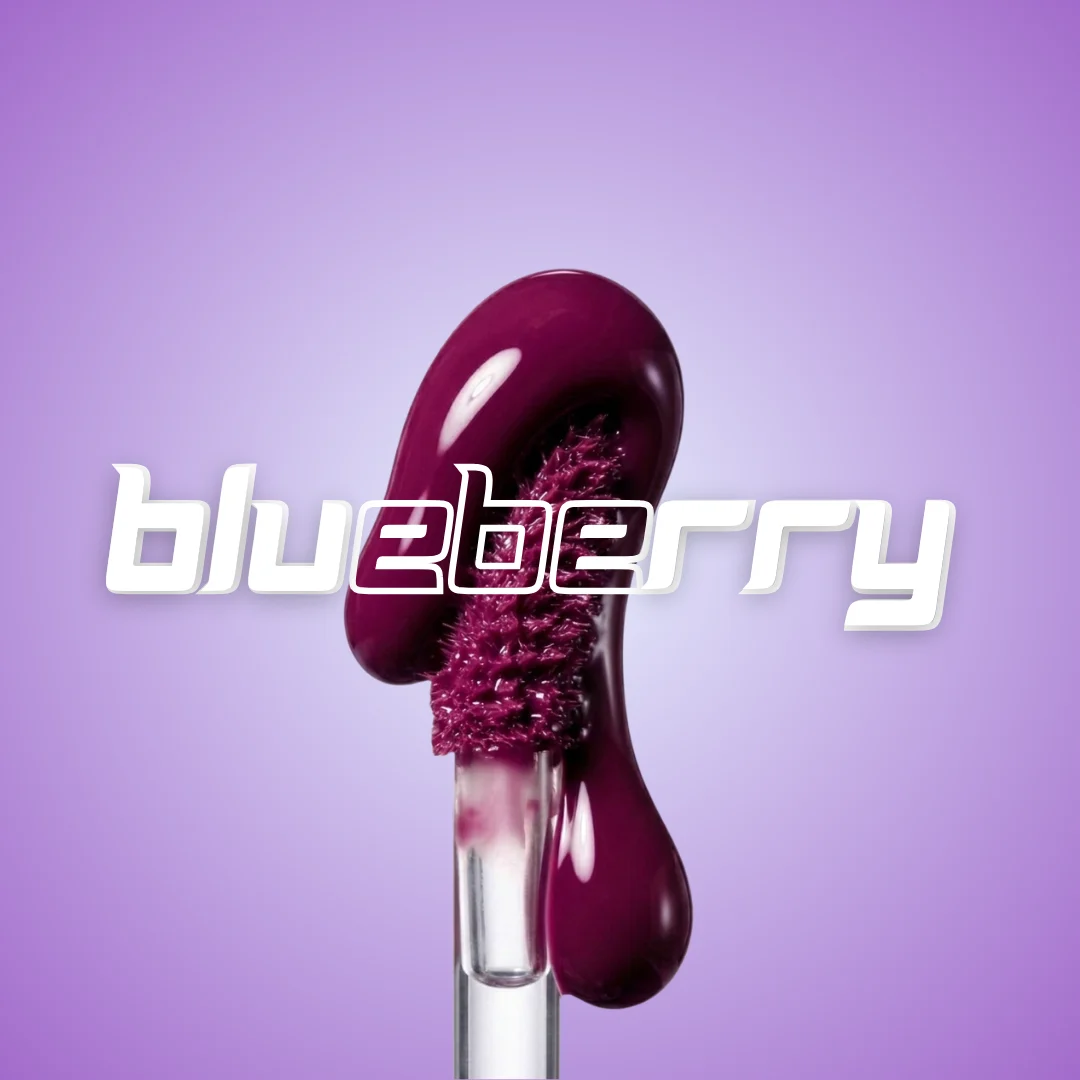
Those with pale or uneven lip color often seek tinted balms that amplify natural hues. Products like Kuri Blueberry Lip Oil offer a unique black hue to create contrast and definition without overwhelming the natural lip tone. Look for formulas with antioxidants to boost circulation and gradually improve pigmentation.
Tinted Balm vs. Traditional Lip Stain: What’s Right for You?
- Tinted Lip Balm: Focuses on hydration + subtle color. Ideal for dry lips needing daily care.
- Lip Stain: Provides bold, long-lasting color but may lack moisturizing properties.
Are 2026 Tinted Balms Safe for Sensitive Lips?
2026 formulas prioritize gentle, non-irritating ingredients. Avoid balms with synthetic dyes or alcohol, which can dry lips further. Opt for products with prebiotic complexes and adaptogens, as seen in nourishing lip oils, to support the lip microbiome and reduce sensitivity.
Can Tinted Lip Products Fade Lip Discoloration?
While tinted balms don’t remove discoloration, they can even out appearance over time. Ingredients like licorice root extract and arbutin in some 2026 formulas help fade dark spots. Pair with SPF-infused balms to prevent UV-induced pigmentation changes.
This article is for informational purposes only. Always consult a healthcare professional.