
2026's Best Lip & Cheek Tints for Healthy, Hydrated Color
Discover 2026's best lip and cheek tints with natural ingredients for hydration and subtle color. Perfect for sensitive lips and a radiant glow.
2026’s Best Lip & Cheek Tints: Multi-Functional, Hydrating, and Natural
For health-conscious adults and caregivers, 2026’s best lip and cheek tint innovations prioritize dual-purpose formulas that nourish while adding color. These tints use clean, natural ingredients to address dryness, pigmentation, and environmental stressors—all while delivering a subtle, skin-friendly flush.
Why Multi-Functional Tints Matter in 2026
Modern lip and cheek tints combine hydration with color correction, making them ideal for sensitive skin and busy routines. Look for products with ingredients like jojoba oil, shea butter, and vitamin E to heal chapped lips while enhancing your natural glow. 2026 lip oil trends highlight these benefits, showing how tints can replace multiple products.
How to Choose the Best Lip & Cheek Tint
- Hydration first: Prioritize tints with oils like avocado or almond to combat dryness.
- Natural pigments: Avoid synthetic dyes that may irritate. Go for plant-based colorants.
- Non-sticky finish: A lightweight texture prevents tugging or flakiness.
Morning & Night Routine with Tints
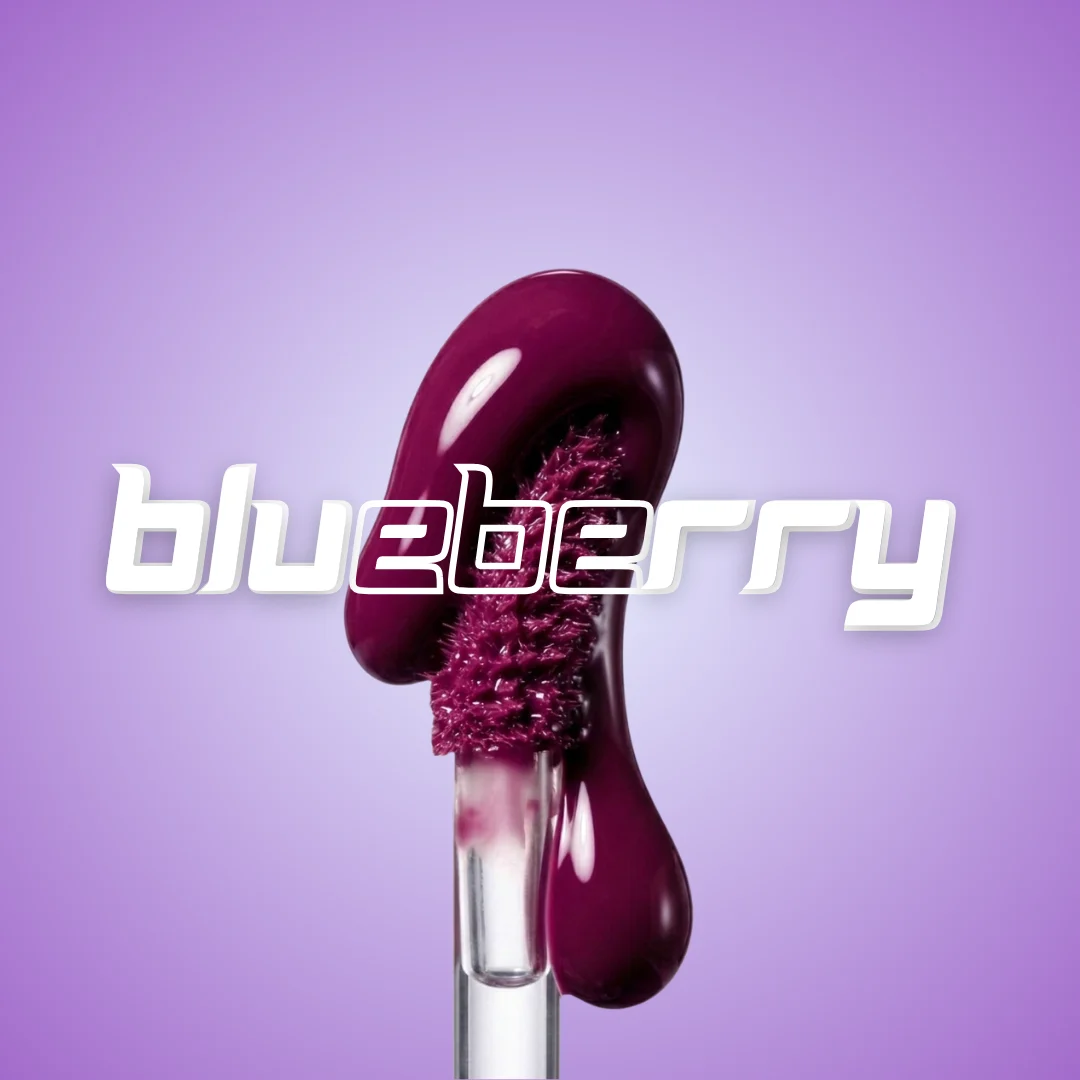
- Morning: Apply a hydrating tint after exfoliating dry, flaky lips. For example, Kuri Blueberry Lip Oil delivers moisture and a soft black hue.
- Afternoon: Reapply with a tint containing SPF (if available) or a plumping formula like Vanilla Lip Plumper Oil to smooth fine lines.
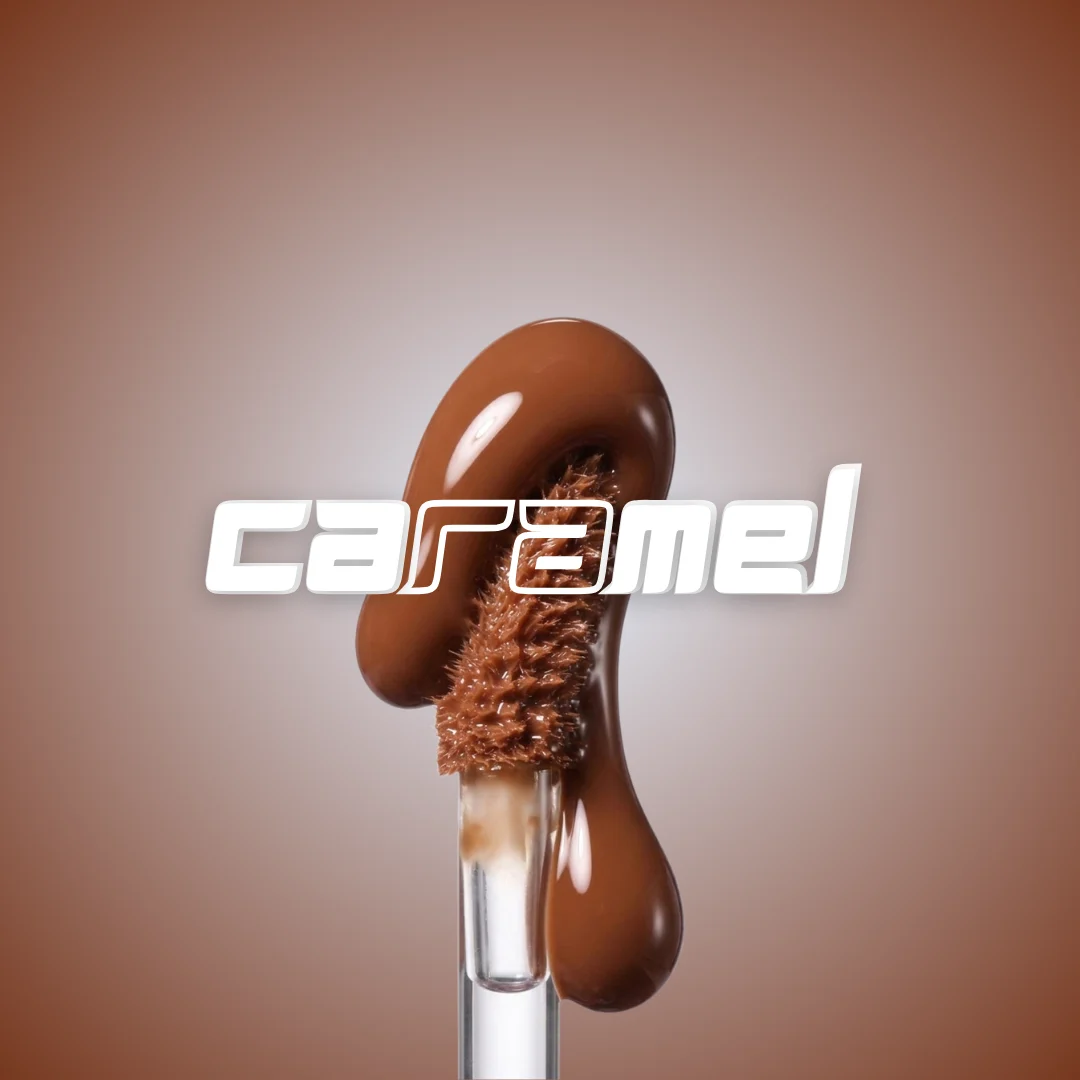
- Night: Use a richer tint with antioxidants (e.g., Kuri Caramel Lip Oil) to repair while sleeping.
Comparison: Multi-Use Tints vs. Dedicated Products
| Feature | Multi-Use Tint | Dedicated Lip Balm |
|---|---|---|
| Hydration | ✓ | ✓✓ |
| Color | ✓✓ | ✗ |
| Convenience | ✓✓ | ✗ |
| Sensitivity Risk | Low (with natural formulas) | Varies |
Mistakes to Avoid
- Overapplying tints with synthetic fragrances, which can cause irritation.
- Skipping lip exfoliation before application, leading to uneven color.
- Using tints with mineral oil as the only ingredient—opt for blends with natural oils.