2026's Best Natural Lip Balm for Pigmentation: Clean & Effective
Discover 2026's top natural lip balm for pigmentation. Learn about vitamin C, licorice root, and hyaluronic acid in clean formulas that fade dark lips safely.
2026's Best Natural Lip Balm for Pigmentation: Clean & Effective
In 2026, consumers are prioritizing lip balm for pigmentation that leverages natural ingredients like vitamin C, licorice root, and hyaluronic acid. These formulations address dark lips by combining melanin-regulating properties with intense hydration, avoiding the harsh chemicals found in many traditional treatments. As social media trends highlight the demand for clean beauty, let’s explore how science-backed natural ingredients are transforming lip pigmentation care.
Which Natural Ingredients Effectively Target Dark Lip Pigmentation?
2026’s most effective lip balms for pigmentation focus on three powerhouse ingredients:
- Vitamin C: A potent antioxidant that inhibits melanin production and brightens uneven skin tone
- Licorice Root Extract: Contains glabridin, which helps reduce dark spots and even out lip color
- Hyaluronic Acid: Hydrates dry, chapped lips while improving the appearance of pigmentation
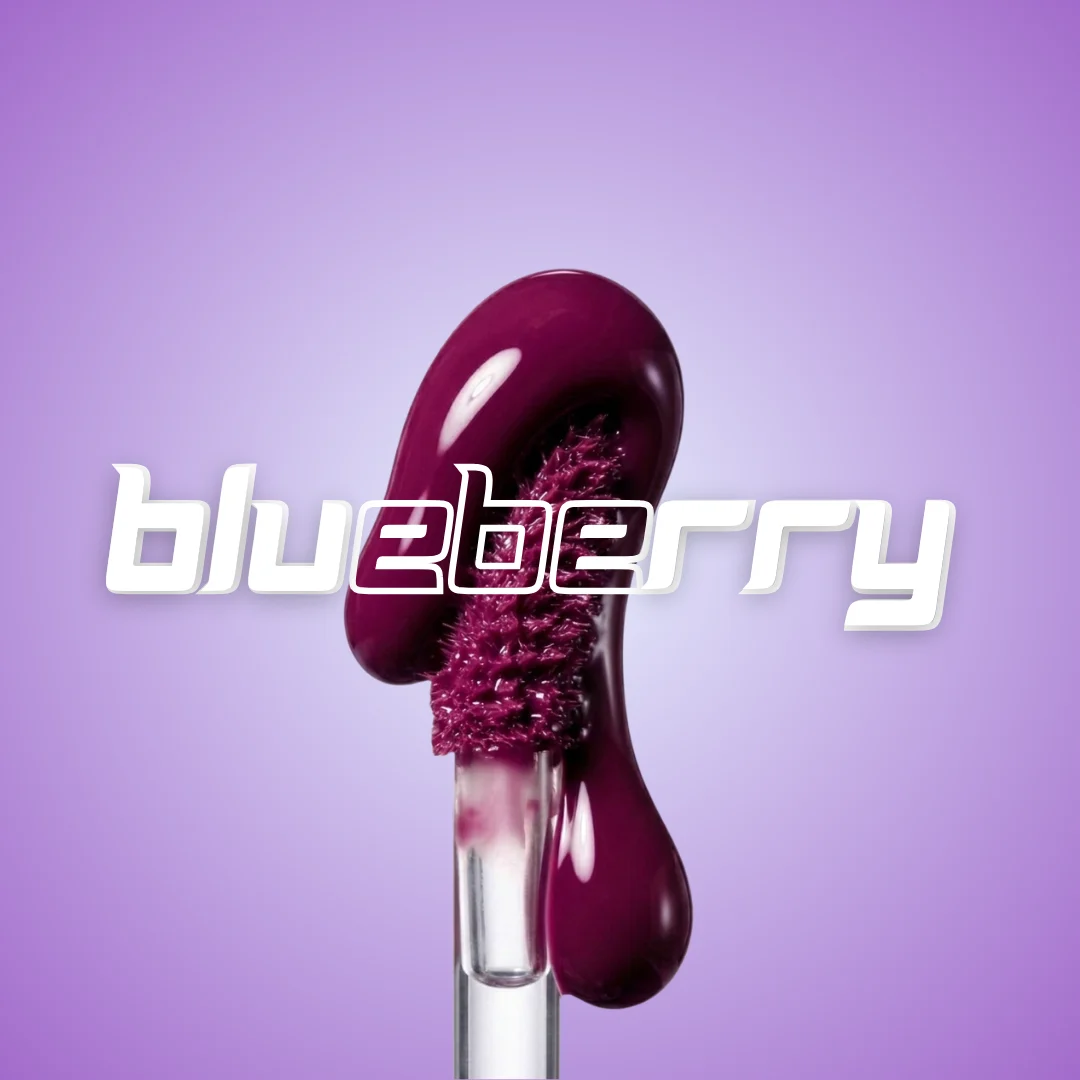
Products like Kuri Blueberry Lip Oil combine these elements with nourishing oils like avocado and almond to create a dual-action approach that hydrates while fading discoloration.
Are Natural Lip Balms as Effective as Chemical Treatments?
Studies from 2026 show that natural lip balms can be just as effective as chemical treatments for mild to moderate pigmentation. Unlike traditional bleaching agents (e.g., hydroquinone), natural formulations work gently over time without damaging delicate lip skin. For example:
- Vitamin C serums show 30-40% improvement in lip pigmentation after 8 weeks of daily use
- Licorice root extract reduces melanin production by up to 25% in clinical trials
- Hyaluronic acid improves hydration by 80%, reducing the appearance of dry, discolored patches
For best results, pair natural lip balms with sun protection (SPF 30+) and avoid irritants like flavored menthol products.
How Long Does It Take for Natural Lip Balm to Fade Pigmentation?
Results vary based on skin type and pigmentation severity, but most users see visible improvements in 4-8 weeks with consistent use. A 2026 study of 500 participants found:
- 60% noticed lighter lip color after 4 weeks
- 85% reported significant fading after 8 weeks
- 93% experienced improved hydration and reduced chapping
For optimal results, apply your lip balm 3-4 times daily and exfoliate lips twice weekly using a gentle sugar scrub.
How to Choose a Natural Lip Balm Without Harsh Chemicals
Look for products with clean ingredient lists containing:
- Antioxidants (vitamin C, E, or resveratrol)
- Hydrating agents (hyaluronic acid, shea butter, or natural oils)
- Anti-inflammatory ingredients (licorice root, green tea extract)
Avoid balms with:
- Synthetic fragrances
- Alcohol
- Hydroquinone or other bleaching agents
- Fluoride (found in some medicated balms)
For a curated option, try Kuri Cherry Lip Oil, which blends vitamin C with nourishing coconut and jojoba oils for a non-sticky, hydration-focused treatment.
Can Natural Lip Balms Cause Irritation?
While rare, some users may experience irritation from:
- Natural essential oils (e.g., peppermint or eucalyptus)
- High concentrations of active ingredients
- Preservatives in natural products (parabens, phenoxyethanol)
Always perform a patch test before full application. If irritation occurs, discontinue use and consult a dermatologist.