
2026's Environmental Causes of Lip Pigmentation Explained
Discover 2026's leading environmental causes of lip pigmentation—UV exposure, pollution, and dehydration. Learn how to protect your lips with SPF and antioxi...
2026's Environmental Causes of Lip Pigmentation Explained
In 2026, environmental factors like UV exposure and air pollution are increasingly recognized as leading causes of lip pigmentation. From oxidative stress to dehydration, modern lifestyles and climate shifts are creating new challenges for lip health. Understanding these triggers—and how to counteract them—is essential for maintaining even-toned, hydrated lips. This guide breaks down the science behind environmental damage and offers actionable solutions, including KuriCares' antioxidant-rich lip oils.
How Does UV Exposure Cause Lip Pigmentation?
Ultraviolet (UV) radiation stimulates melanin production, the same pigment responsible for skin tanning. However, lips lack the thick skin barrier of the face, making them more vulnerable to UV-induced discoloration. Prolonged sun exposure without SPF protection can lead to uneven pigmentation, often appearing as dark patches or a uniformly dulled lip color. SPF-infused tinted lip oils are now recommended by dermatologists in 2026 to shield lips from UVA/UVB rays while delivering antioxidants.
Can Air Pollution Darken Lips Over Time?
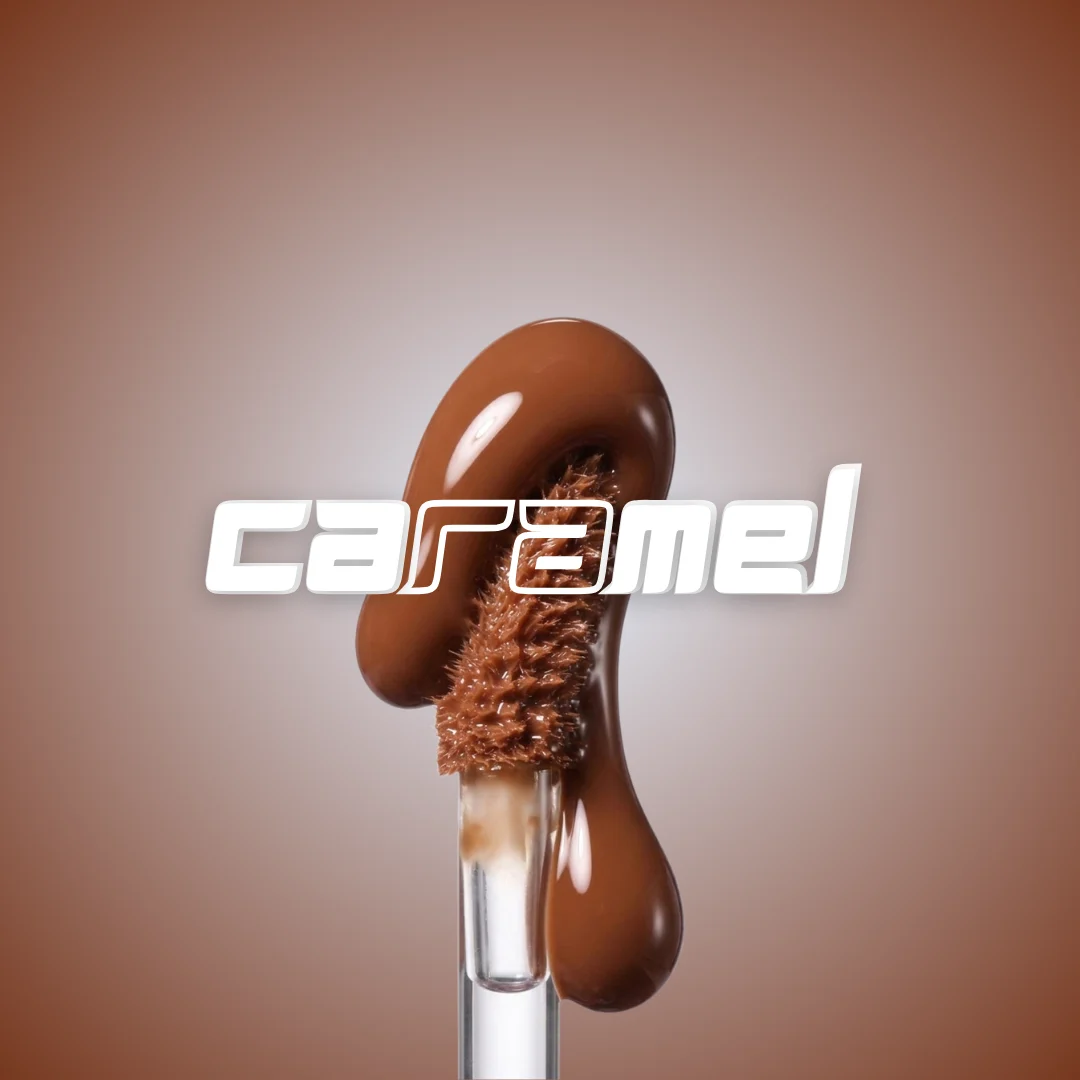
Airborne pollutants like nitrogen dioxide and particulate matter bind to lip tissue, creating oxidative stress that breaks down collagen and alters melanin distribution. A 2026 study found that individuals in high-pollution urban areas showed a 30% higher incidence of lip hyperpigmentation compared to rural counterparts. Pollution also strips natural oils, leaving lips drier and more prone to uneven color. Incorporating antioxidant-rich treatments like Kuri Caramel Lip Oil (with raspberry seed oil and Vitamin E) can combat free radicals and restore moisture.
The Role of Dehydration in Lip Discoloration
Chronic dehydration causes the thin lip skin to lose elasticity, making existing pigmentation more visible. When lips dry out, micro-cracks form, allowing environmental toxins to penetrate deeper. Hydrating overnight treatments with hyaluronic acid are gaining popularity in 2026 to repair this barrier. For daily care, opt for lip oils with humectants like shea butter (found in Kuri Cherry Lip Oil) to lock in moisture and reduce discoloration.
Ingredients to Avoid for Pigmented Lips
- Artificial fragrances: Irritate sensitive lip skin, worsening pigmentation
- Alcohol-based formulas: Strip natural oils, increasing dryness and darkening
- Unscented menthol/camphor: May cause temporary whitening but disrupts lipid barrier
Instead, prioritize non-comedogenic oils and mineral-based pigments. Hydrating lip oils with clean formulations are now the 2026 standard for pigmentation care.
Natural Remedies for Lip Pigmentation
While causes of lip pigmentation often require clinical treatments, gentle home routines can complement professional care:
- Coconut oil massage: Improves circulation and softens dry, flaky patches
- Lemon-rosewater scrub: Exfoliates surface pigmentation (use sparingly to avoid irritation)
- Green tea compress: High in polyphenols to reduce inflammation and dark spots
For best results, follow these rituals with a blueberry-infused lip oil to reinforce hydration.
This article is for informational purposes only. Always consult a healthcare professional.