2026's Top Dark Lip Culprits: Harmful Ingredients to Avoid
Ingredients that causes dark lips: Discover 2026's top ingredients that cause dark lips, including synthetic additives like menthol and camphor. Learn safer...
2026's Top Dark Lip Culprits: Harmful Ingredients to Avoid
As 2026 unfolds, heightened awareness about synthetic ingredients in lip care products has sparked a global conversation about their impact on lip pigmentation. Ingredients like menthol, camphor, and certain preservatives are now under scrutiny for their potential to darken lips over time. This guide breaks down the science behind these additives and offers natural alternatives to maintain healthy, even-toned lips.
Common Synthetic Ingredients Linked to Darkened Lips
Several synthetic compounds commonly found in lip balms and toothpastes have been associated with lip pigmentation changes:
- Menthol: While soothing, prolonged use may irritate delicate lip skin, leading to hyperpigmentation.
- Camphor: Found in medicated lip balms, this compound can cause temporary darkening and dryness.
- Synthetic Preservatives: Parabens and formaldehyde-releasing agents may trigger allergic reactions that darken lips.
- Artificial Colorants: Dyes like FD&C Red 27 have been linked to uneven pigmentation in sensitive individuals.
This article is for informational purposes only. Always consult a healthcare professional.
How Menthol Affects Lip Pigmentation
Menthol's cooling effect makes it a popular ingredient in lip products, but its impact on pigmentation is complex. The compound can:
- Stimulate blood flow temporarily, causing a flushed appearance
- Thin the protective lip barrier with prolonged use
- Trigger melanin production in sensitive individuals
For those concerned about darkening, consider natural alternatives like vitamin E or calendula-based balms.
Are Natural Lip Products Safer for Preventing Dark Lips?
Emerging research suggests natural formulations may reduce pigmentation risks:
- Plant-based oils: Coconut, jojoba, and avocado oils provide hydration without synthetic additives
- Antioxidant-rich ingredients: Pomegranate extract and licorice root help even out lip tone
- Homemade options: Honey and aloe vera gels offer gentle hydration without preservatives
KuriCares' Cherry Lip Oil combines jojoba seed oil and vitamin E for deep hydration without synthetic additives, making it a 2026 favorite for sensitive lips.
Toothpaste Ingredients and Lip Pigmentation
Many over-the-counter toothpastes contain ingredients that may contribute to lip darkening:
| Ingredient | Potential Impact |
|---|---|
| Hydrogen Peroxide | Can bleach outer lip layers unevenly |
| Sodium Lauryl Sulfate | Might irritate lip tissue over time |
| Artificial Sweeteners | May increase melanin production in some individuals |
Opt for toothpastes with natural whitening agents like activated charcoal or baking soda for a safer alternative.
Preservatives to Avoid for Lighter Lips
These preservatives have raised concerns in 2026 lip care formulations:
- Parabens: May disrupt hormone balance and affect melanin production
- Formaldehyde: A known irritant that can cause dark patches
- Phenoxyethanol: Linked to allergic reactions in sensitive individuals
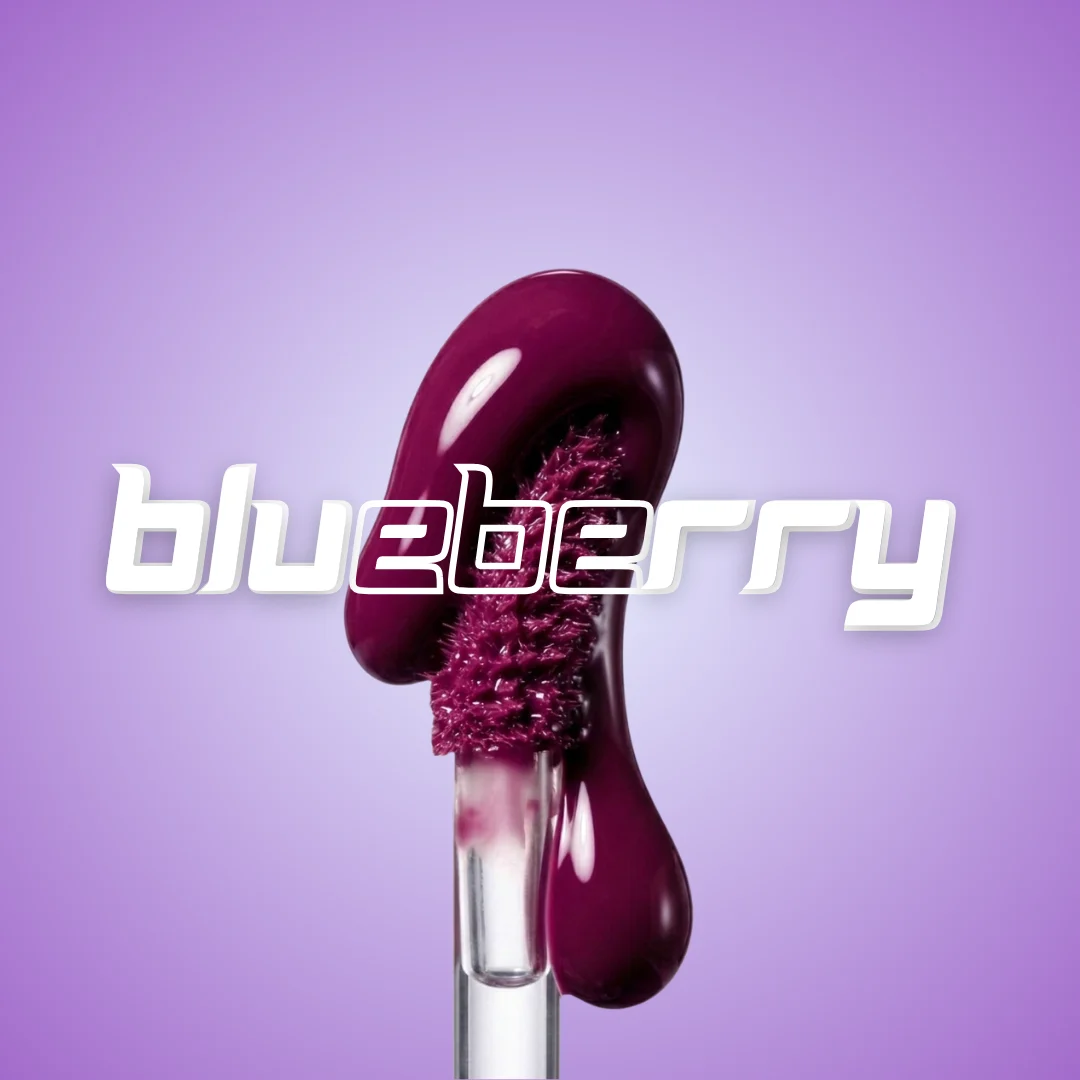
For preservative-free options, try KuriCares' Blueberry Lip Oil, which uses vitamin E as a natural stabilizer while delivering hydration.
Creating a 2026-Ready Lip Care Routine
Protect your lip tone with this modern approach:
- Read labels for "fragrance-free" and "hypoallergenic" certifications
- Choose products with plant-based oils instead of mineral-based bases
- Incorporate weekly overnight treatments with antioxidant-rich formulations
For multi-tasking care, KuriCares' Caramel Lip Oil delivers hydration, protection, and a subtle tint in one step.