2026's Top Tinted Lip Balms for Hydration + Natural Color
Discover 2026's best tinted lip balms with natural pigments, hydration, and healing properties. Perfect for the 'no-makeup' look and eco-conscious buyers.
2026's Top Tinted Lip Balms for Hydration + Natural Color
In 2026, tinted lip balms have evolved beyond simple colorants to become essential tools for lip health. With a focus on hydration, natural pigments, and eco-conscious formulations, today’s tinted balms address dryness, pigmentation irregularities, and UV protection—all while aligning with the "no-makeup" makeup movement. Whether you’re a busy parent, a skincare enthusiast, or someone with sensitive lips, this guide will help you choose the right tinted lip balm for your needs.
How to Choose a Tinted Lip Balm That Won’t Emphasize Dry Lines?
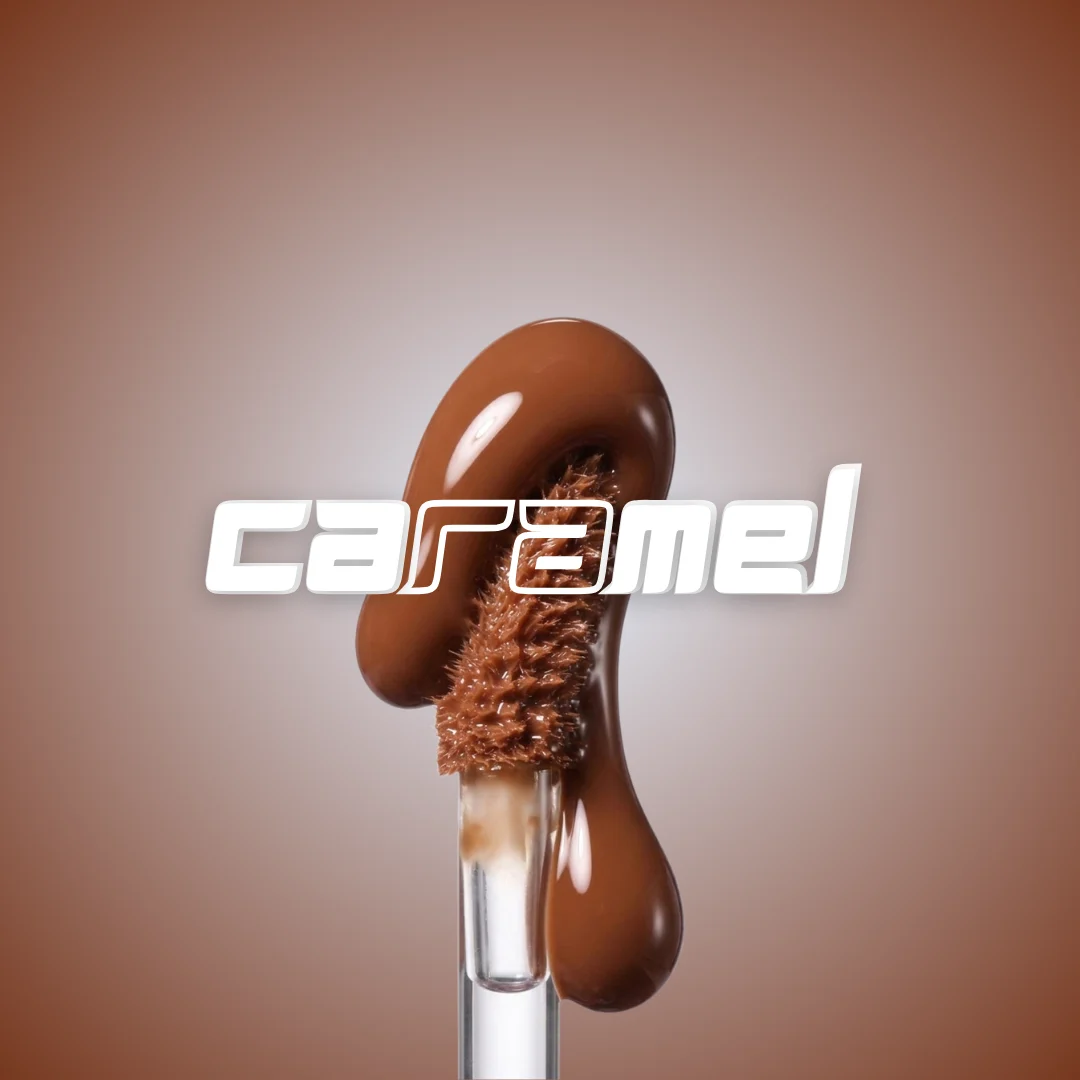
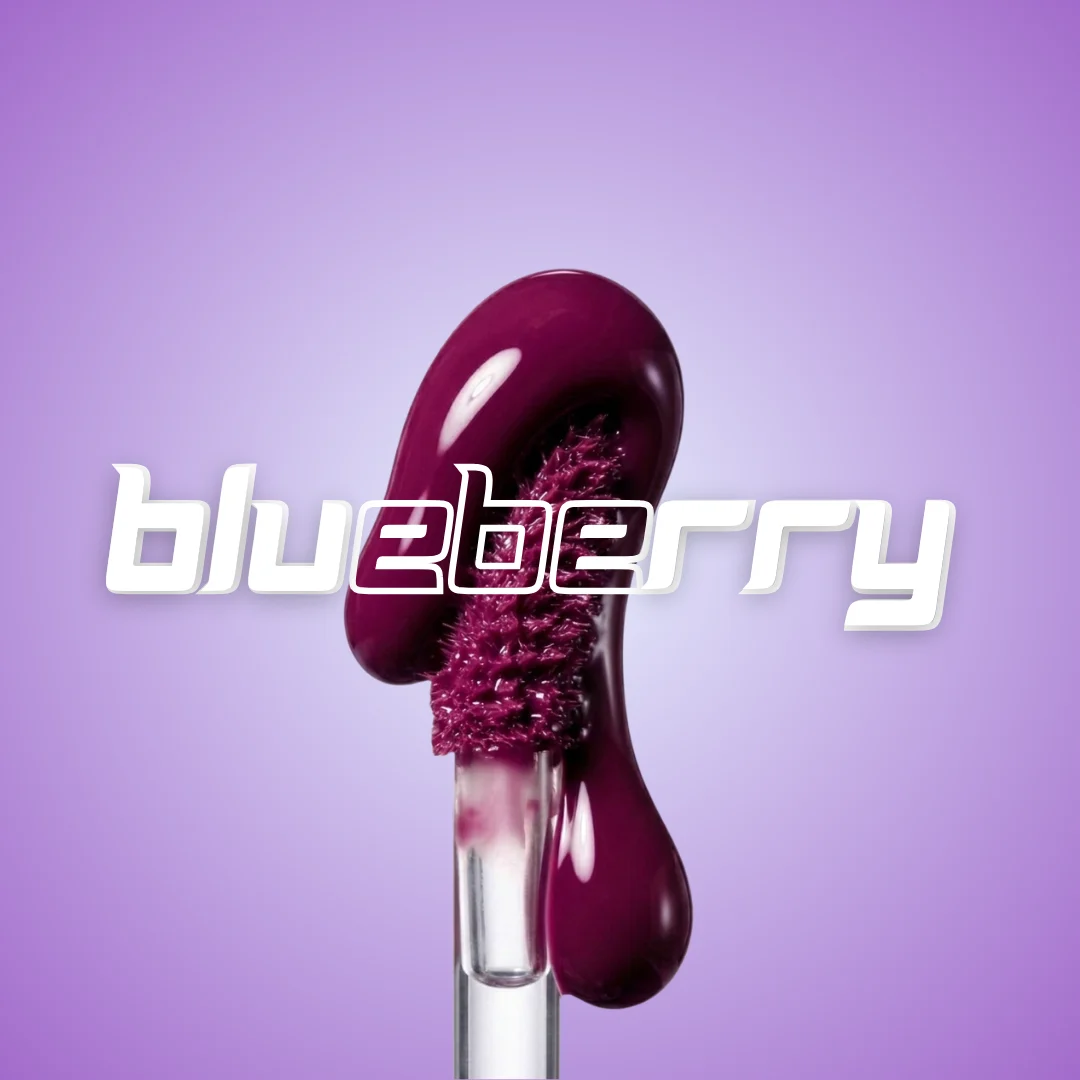
Dry, flaky lips can make even the subtlest tint appear uneven. Look for tinted lip balms with hyaluronic acid, avocado oil, or shea butter to plump and smooth the surface. KuriCares’ Caramel Lip Oil blends raspberry seed oil with a purple tint to hydrate and even out texture, while the Blueberry Lip Oil uses mineral oil and avocado oil to fill in fine lines. Avoid products with alcohol or synthetic fragrances, which can strip moisture.
Are Iron Oxides or Natural Pigments Better for Sensitive Lips?
For sensitive lips, natural pigments derived from botanicals (like beetroot or fruit extracts) are gentler than iron oxides, which can sometimes cause irritation. KuriCares’ Cherry Lip Oil uses coconut oil and natural pigments for a rich crimson hue without synthetic additives. Always patch-test new products and opt for tinted balms labeled "fragrance-free" and "non-comedogenic" to avoid reactions.
Can Tinted Balms Help with Lip Discoloration Over Time?
Yes! Tinted lip balms with antioxidants like vitamin E and jojoba oil can gradually fade uneven pigmentation while protecting lips from environmental stressors. For example, the Blueberry Lip Oil contains fractionated coconut oil and mineral oil to nourish and brighten. Pair regular use with sun protection (many tinted balms now include SPF) to prevent further discoloration from UV exposure.
What’s the Difference Between Tinted Balm and Lip Tint?
Tinted lip balm combines hydration with subtle color, making it ideal for daily wear. It often includes moisturizing ingredients like shea butter or almond oil. Lip tint, on the other hand, prioritizes color payoff and may lack the nourishing properties of a balm. For a balanced approach, choose tinted balms like KuriCares’ Caramel Lip Oil, which delivers hydration and a vibrant purple tint in one step.
How to Make Tinted Lip Balm Last All Day Without Reapplying?
Follow this routine for long-lasting wear:
- Exfoliate with a gentle sugar scrub (see DIY exfoliation tips).
- Apply a hydrating base like Vanilla Lip Plumper Oil to smooth the surface.
- Layer your tinted balm and set with a light dusting of translucent powder.
Why 2026’s Tinted Lip Balms Are a Game-Changer
Modern tinted lip balms are designed for multi-tasking: they hydrate, protect, and enhance your natural look. With eco-conscious packaging and ingredients like SPF and adaptogens (see climate-adaptive trends), they align with 2026’s sustainability values. Whether you prefer a sheer wash of color or a bold statement, there’s a tinted balm to match your lifestyle.
This article is for informational purposes only. Always consult a healthcare professional.