Avoid These 5 Ingredients That Cause Dark Lips in 2026
Ingredients that causes dark lips: Discover 2026’s most controversial ingredients that cause dark lips, from synthetic dyes to menthol. Learn how to choose s...
Avoid These 5 Ingredients That Cause Dark Lips in 2026
In 2026, the conversation around lip health has shifted dramatically. Consumers are increasingly scrutinizing beauty products for ingredients that cause dark lips, with growing concerns about synthetic additives like menthol, camphor, and artificial dyes. These ingredients, once staples in lip balms and cosmetics, are now controversial due to their potential to irritate lips and darken pigmentation. This guide breaks down the top 5 ingredients to avoid—and how KuriCares’ natural formulations offer safer alternatives.
How Synthetic Dyes Impact Lip Pigmentation
Synthetic dyes, such as FD&C Red 30 or Blue 1, are commonly used to give lip products vibrant colors. However, these dyes can cause allergic reactions and uneven pigmentation over time. Studies in 2026 show that prolonged exposure to synthetic dyes may lead to increased melanin production, resulting in darkened lip color. Learn more about synthetic dyes and their role in lip discoloration.
Why Menthol and Camphor Lead to Darker Lips
Menthol and camphor, often added for a cooling sensation, can excessively dry out lips. Dehydrated lips lose their natural moisture barrier, making them more prone to darkening. A 2026 study linked frequent use of menthol-based lip products to reactive melanosis—a condition where lips darken due to chronic irritation. Explore natural alternatives that soothe without irritation.
Flavored Lip Balms and Hidden Darkening Agents
Flavored lip balms often contain synthetic fragrances and flavoring agents that may trigger allergies or irritation. Ingredients like citral (in citrus-flavored products) or vanillin can cause localized inflammation, leading to dark patches on lips. Always check labels for "fragrance" or "flavor" listed as an ingredient—these are catch-all terms for unlisted chemicals linked to lip discoloration.
Natural Lip Products: Are They Safer for Pigmentation?
While not all natural products are safe, many 2026 formulations prioritize gentle, skin-friendly ingredients. For example, KuriCares’ Cherry Lip Oil uses coconut oil, jojoba seed oil, and vitamin E to hydrate lips without synthetic additives. These ingredients reinforce the lip barrier while fading dark spots naturally. Learn about botanicals that promote even lip tone.
Chemicals to Avoid for Lighter, Healthier Lips
2026’s top lip care experts advise avoiding the following ingredients:
- Synthetic dyes (FD&C colors, D&C dyes)
- Menthol and camphor (irritants that dry lips)
- Artificial fragrances (linked to allergic reactions)
- Lead acetate (found in some lip pencils for darkening effects)
- Mineral oil (can clog pores and trap dark pigments)
KuriCares Solutions for Brighter, Healthier Lips
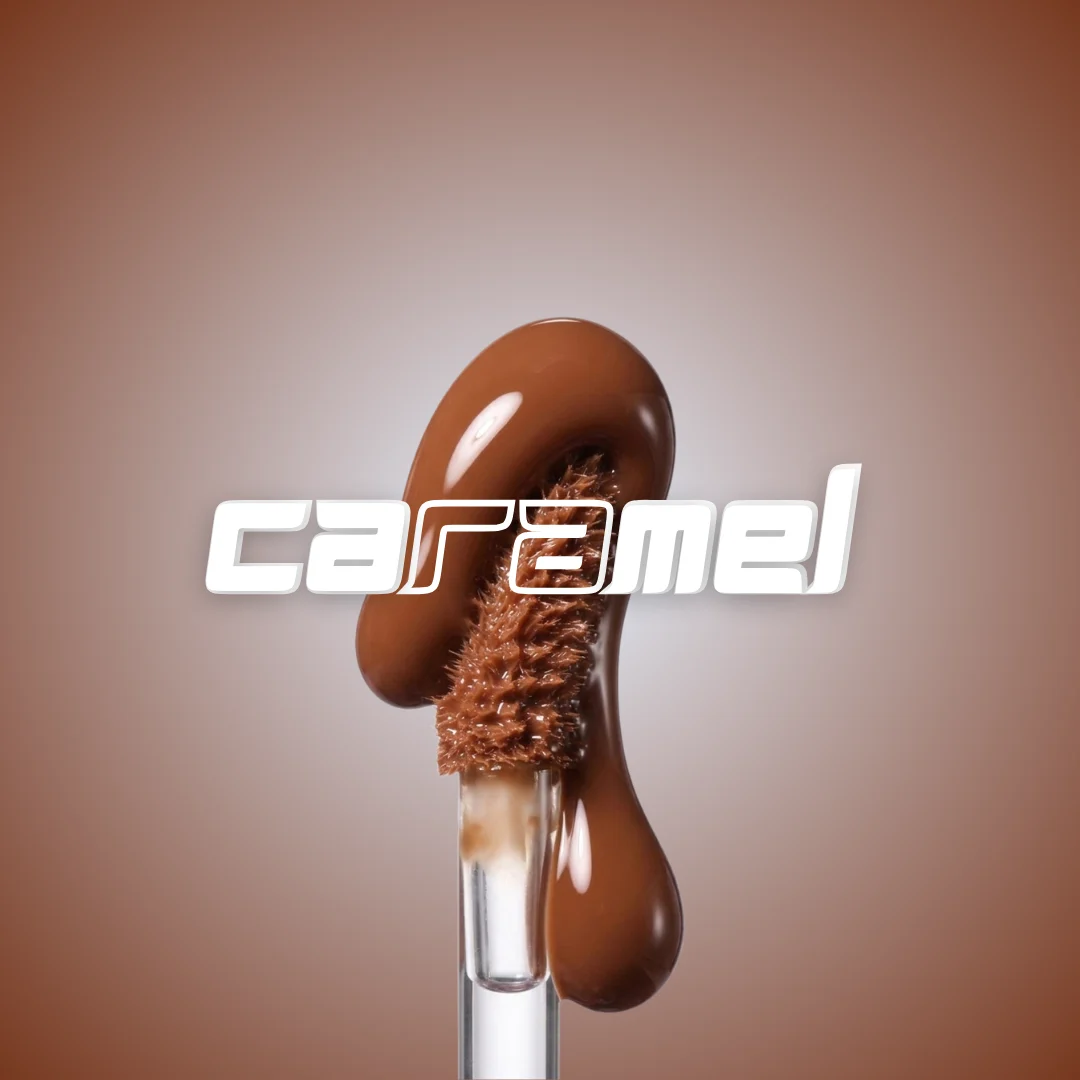
KuriCares offers multi-functional lip oils with clean, transparent formulations. Our Caramel Lip Oil, for instance, blends shea butter, avocado oil, and vitamin E to deeply hydrate and fade dark spots. These products align with 2026’s demand for multi-functional, pigmentation-fighting solutions.
Disclaimer: This article is for informational purposes only. Always consult a healthcare professional.