2026 Lip Pigmentation Treatments: Natural + Tech Solutions Revealed
Treatment for lip pigmentation: Discover 2026's top treatments for lip pigmentation combining natural ingredients and tech. Safe, effective solutions for eve...
2026 Lip Pigmentation Treatments: Natural + Tech Solutions Revealed
In 2026, the quest for even lip tone has evolved. Consumers are prioritizing treatment for lip pigmentation that merges organic ingredients with AI-powered diagnostics. From at-home devices to climate-responsive formulas, modern solutions address hyperpigmentation while respecting sensitive lip skin. This guide explores how to harness 2026’s innovations for healthier, more balanced lips.
Do Natural Remedies Work for Lip Pigmentation in 2026?
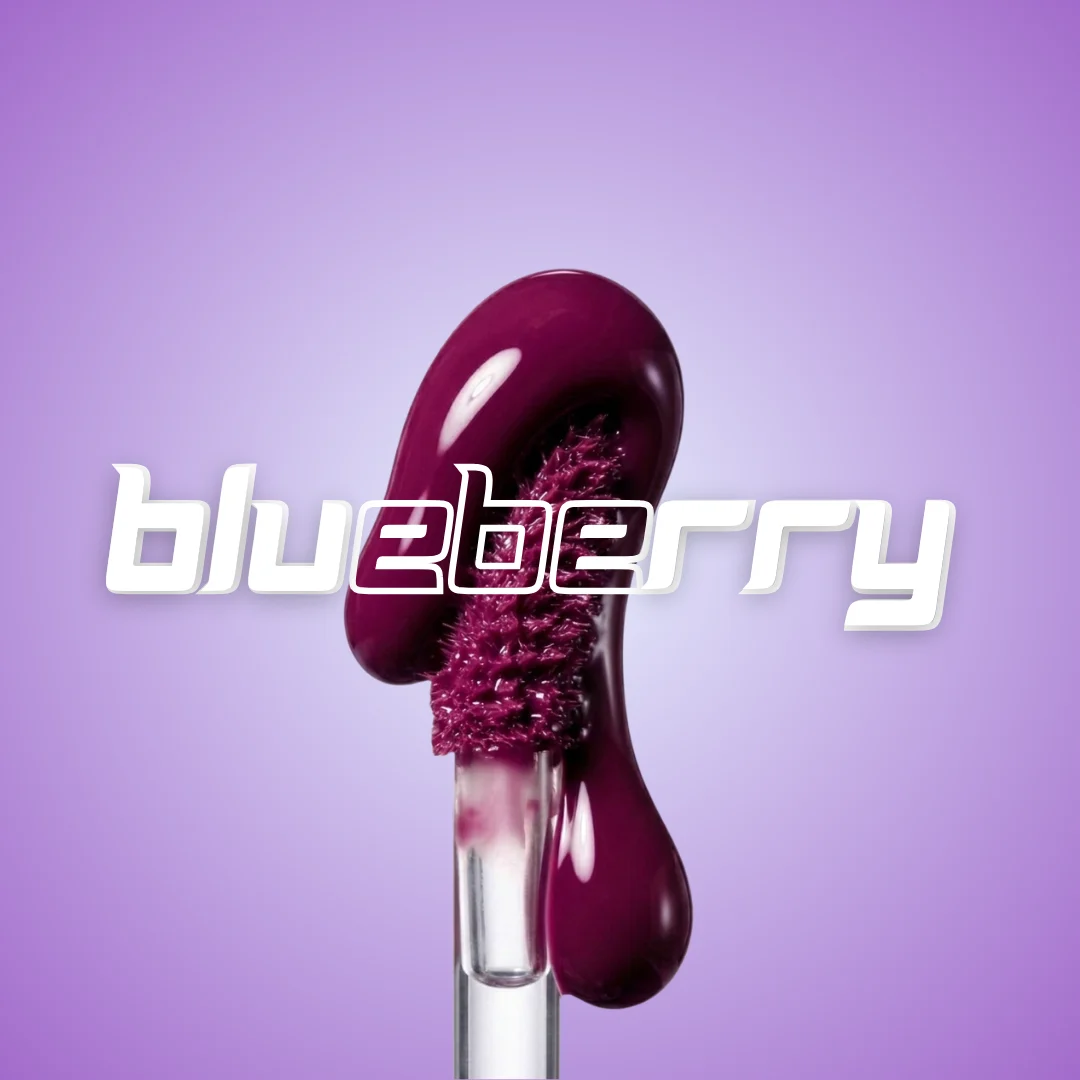
Yes, but with nuance. While DIY methods like lemon juice or turmeric were once popular, 2026’s natural treatments focus on scientifically backed botanicals. Ingredients like blueberry extract (rich in anthocyanins) and vitamin E are now formulated into tinted lip oils that hydrate and gently fade dark spots. For example, KuriCares’ Blueberry Lip Oil combines mineral oil and avocado oil to nourish while its subtle tint masks uneven pigmentation. Pair these with climate-adaptive balms for best results.
How Safe Are Laser Treatments for Lip Pigmentation?
Laser treatments remain controversial due to risks of irritation and uneven results. In 2026, dermatologists recommend reserving lasers for severe cases and opting for gentler alternatives first. For mild pigmentation, consider microcurrent devices like the LipGlow Pro (a 2026 favorite) paired with antioxidant-rich oils. Always consult a professional before proceeding—Vaseline is a safer at-home primer for topical treatments.
What Ingredients Should Sensitive Lips Avoid?
Sensitive lips require careful ingredient selection. Avoid synthetic fragrances, alcohol, and harsh exfoliants like salicylic acid, which can worsen pigmentation. Instead, choose products with:
- Jojoba seed oil (mimics natural lip oils)
- Avocado oil (rich in fatty acids)
- Non-nano zinc oxide (for UV protection)
KuriCares’ Cherry Lip Oil avoids these irritants while delivering hydration and a vibrant tint.
Can Personalized Lip Care Prevent Hyperpigmentation?
Yes, through AI-driven analysis. 2026’s top apps like LipScan use smartphone cameras to assess pigmentation patterns and recommend tailored routines. For instance, if your lips show UV-induced dark spots, the app might suggest a pigmentation cream with SPF 30 and a Caramel Lip Oil for antioxidant repair. Consistency is key—apply treatments twice daily for 8–12 weeks.
How Do At-Home Devices Compare to Salon Treatments?
At-home tools like LED light therapy masks and microcurrent devices offer 70–80% of salon results without the cost. For example, the LipLume 3000 (2026’s top-selling device) uses red light to boost collagen and reduce pigmentation. Pair it with a Vanilla Lip Plumper for added volume and hydration. Salons still excel for advanced cases, but 2026’s tech makes DIY care more accessible than ever.