
2026 Nourishing Lip Oils: Natural Pigmentation Repair Guide
Discover 2026's best nourishing lip oils with natural ingredients that repair lip pigmentation, hydrate, and protect. Learn effective routines and product tips.
In 2026, nourishing lip oils are revolutionizing how we address lip pigmentation, dryness, and environmental stress. With a focus on clean, multi-functional formulas, these oils combine adaptogens, antioxidant-rich botanicals, and UV protection to restore lips naturally. This guide explores the science behind 2026’s top natural ingredients and practical routines to achieve healthier, more even-toned lips.
Which Natural Oils Are Fastest for Reducing Lip Pigmentation?
Lip pigmentation often stems from dryness, UV exposure, or environmental pollutants. In 2026, the most effective nourishing lip oils address these root causes with targeted ingredients:
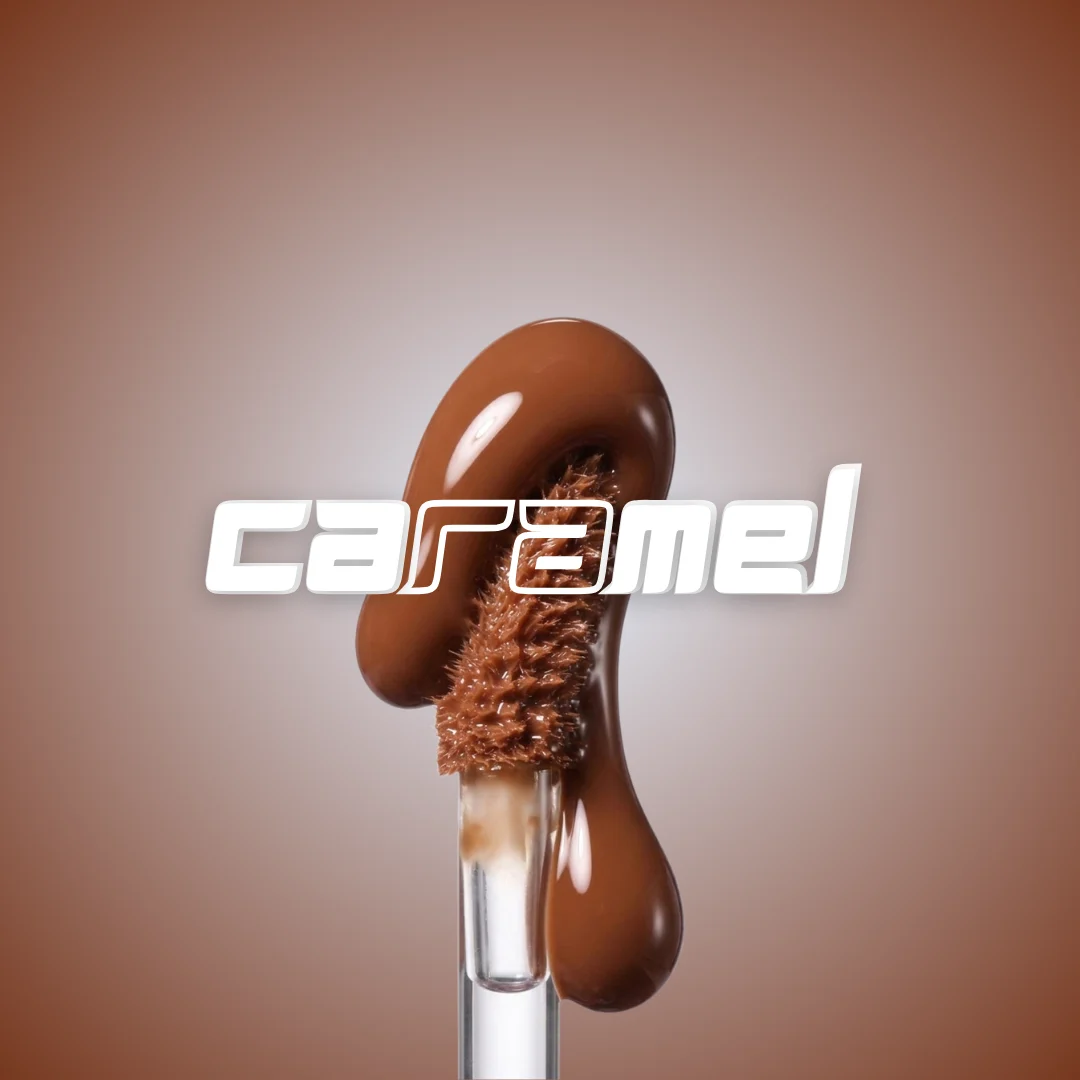
- Raspberry Seed Oil: Packed with antioxidants and natural SPF, it protects against UV damage while fading dark spots. Found in Kuri Caramel Lip Oil, it works overnight to even out lip tone.
- Jojoba Seed Oil: Mimics the skin’s natural oils to hydrate and reduce pigmentation caused by dryness. Kuri Bubble Gum Lip Oil uses this base for a lightweight, non-greasy finish.
- Avocado Oil: Rich in fatty acids, it repairs cracked lips and fades uneven pigmentation. Kuri Blueberry Lip Oil pairs it with vitamin E for deep nourishment.
How to Use Nourishing Lip Oil for Overnight Chapped Lip Repair
Lip oils work best overnight when skin regenerates. Follow this 2026 routine:
- Clean lips with a gentle wipe to remove makeup or residue.
- Apply 1-2 drops of Kuri Cherry Lip Oil to damp lips for better absorption.
- Massage in circular motions to stimulate blood flow and even out pigmentation.
- Leave on overnight—no need to wipe off. Wake up to plump, hydrated lips.
Pro tip: Layer with a thin coat of coconut oil for extra hydration, especially in winter.
Are SPF-Infused Lip Oils Effective for 2026 Skincare Routines?
Lip skin is 10 times thinner than facial skin, making it highly vulnerable to UV damage. SPF-infused lip oils are now essential in 2026 routines. Look for natural SPF sources like:
- Raspberry Seed Oil: Offers SPF 30-50 protection without a waxy texture.
- Beeswax: Forms a protective barrier against UV rays and pollution.
For a deeper dive into SPF innovations, read 2026 Pigmentation Cream Guide, which explores how climate-responsive formulas adapt to UV and pollution.
What Ingredients to Avoid in Pigmentation-Targeting Lip Products?
2026’s focus on clean beauty means avoiding these common irritants:
- Synthetic Fragrances: Can cause allergic reactions and worsen pigmentation.
- Parabens: Harmful preservatives that disrupt skin health.
- Artificial Dyes: May stain lips or cause uneven pigmentation.
Opt for products with probiotic complexes and adaptogens like ashwagandha, which soothe inflammation and support the lip microbiome.
Can Nourishing Lip Oils Replace Traditional Lipsticks?
In 2026, multi-functional lip oils are replacing traditional lipsticks for many users. Products like Kuri Cherry Lip Oil offer:
- Hydration and pigmentation repair
- Subtle tint that enhances natural lip color
- Non-sticky, transfer-proof wear for up to 8 hours
For a comparison of lip oils vs. traditional lipsticks, see Laneige Lip Balm Review, which highlights KuriCares’ natural advantages.
This article is for informational purposes only. Always consult a healthcare professional.