Vaseline for Chapped Lips: 2026 DIY Treatments & Safety Tips
Discover 2026’s DIY Vaseline lip treatments for chapped lips. Learn safe routines, pros/cons, and KuriCares’ natural alternatives for hydration and pigmentat...
Is Vaseline Safe for Long-Term Lip Use?
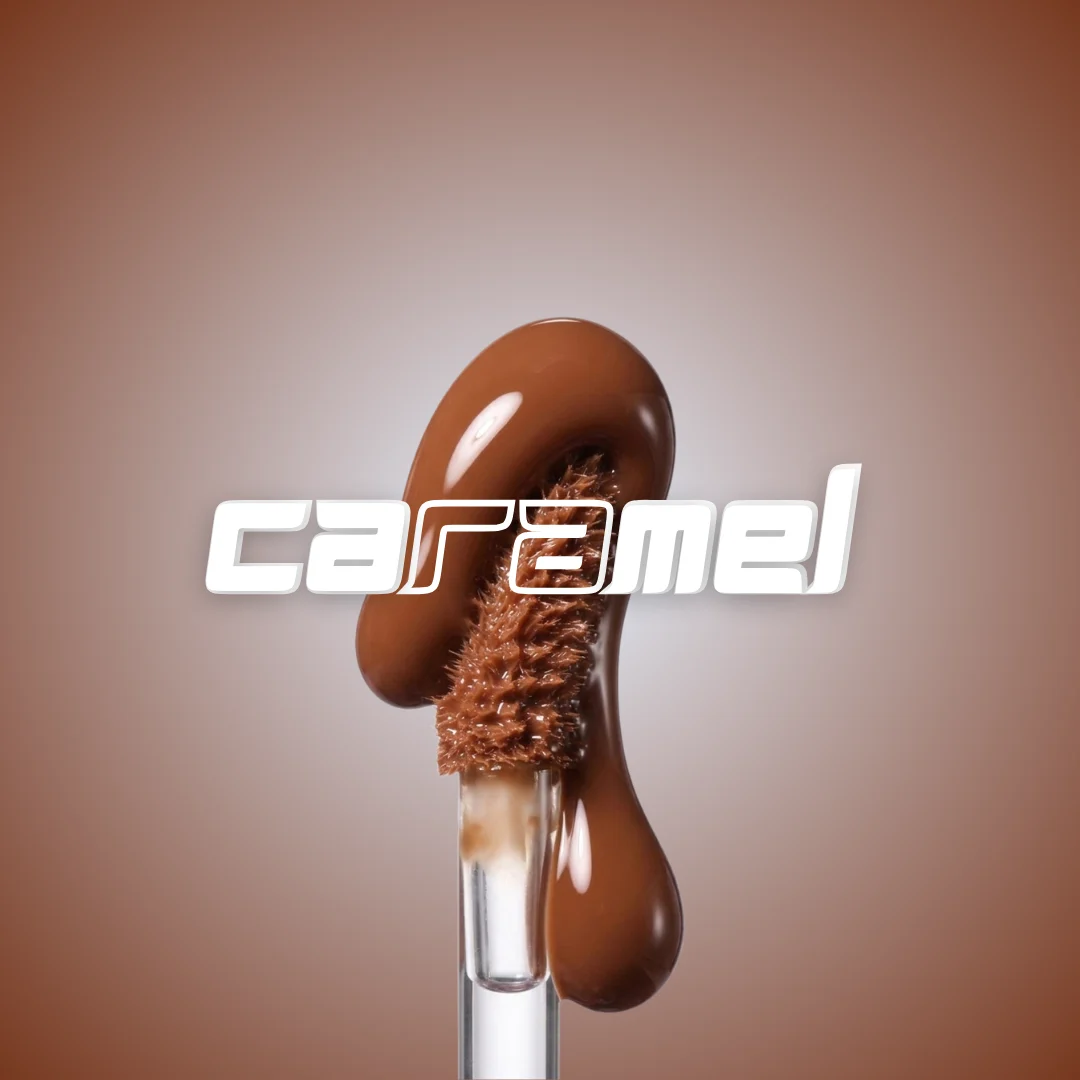
Vaseline (petrolatum) is generally safe for lips when used in moderation. It creates a moisture barrier, preventing dryness. However, long-term use without active ingredients may not address underlying issues like pigmentation or flaking. Always patch-test and follow up with a product containing vitamins or oils, like Kuri Caramel Lip Oil, for deeper repair.
How to Use Vaseline for Overnight Lip Hydration
For an effective DIY treatment, mix Vaseline with natural boosters before bedtime:
- Honey & Vaseline: Combines antibacterial properties with deep hydration.
- Vitamin E Oil & Vaseline: Fades chapping and protects against environmental stressors.
- Coconut Oil & Vaseline: Creates a rich balm for cracked or peeling lips.
Does Vaseline Clog Pores or Cause Lip Pigmentation?
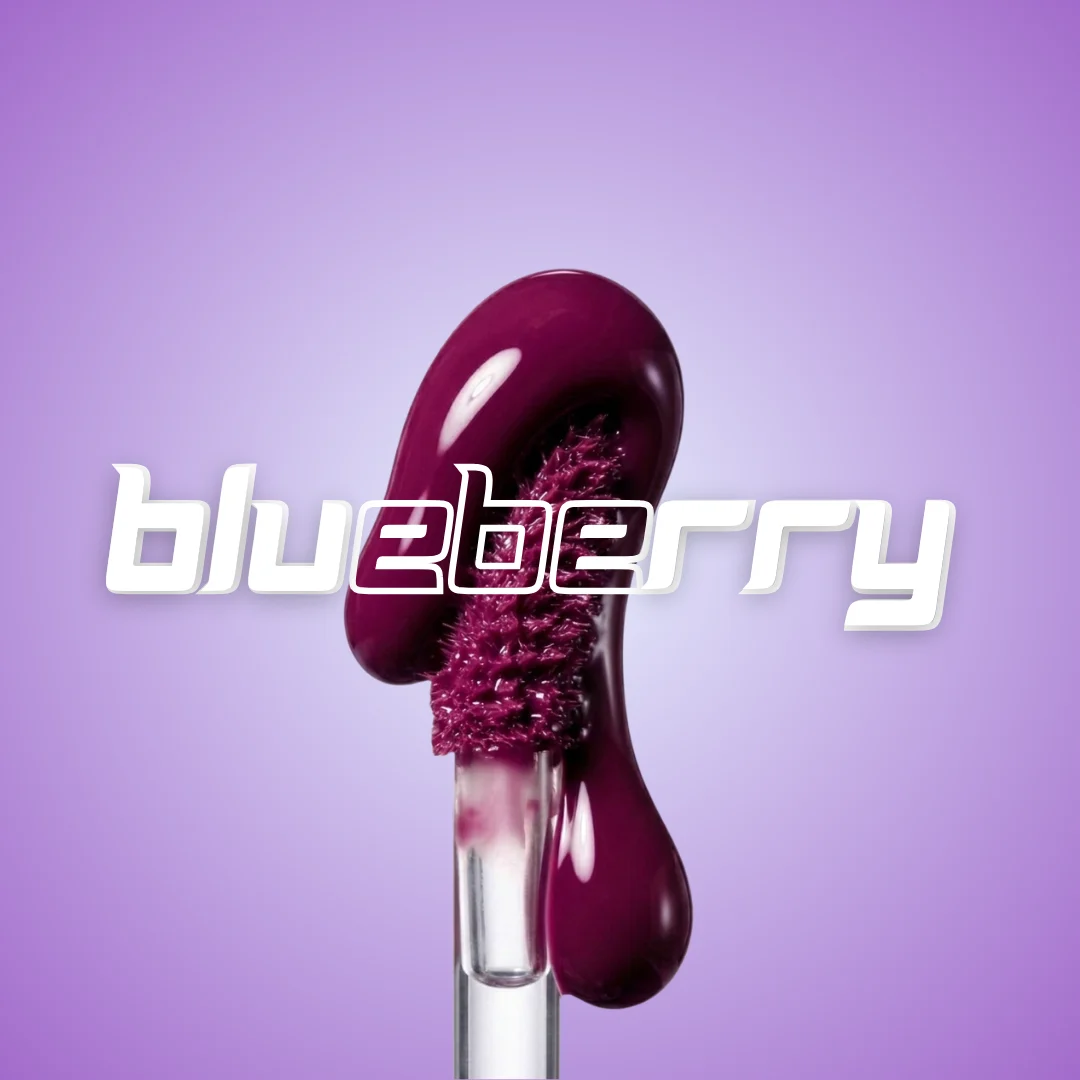
Vaseline is non-comedogenic and won’t clog pores on the lips. However, it doesn’t actively treat pigmentation or dark spots. Users with uneven lip color should pair it with ingredients like licorice root or hyaluronic acid, as seen in KuriCares’ 2026 picks. For a tinted, multi-functional option, consider Kuri Cherry Lip Oil, which hydrates and brightens in one step.
Vaseline Alternatives for Chapped Lips in 2026
While Vaseline remains a budget-friendly choice, newer products target both hydration and repair:
- Ceramide-infused balms: Wishcare Ceramide Lip Balm strengthens lip barriers.
- Tinted lip oils: Kuri’s tinted oils combine color with vitamins for plump, even-toned lips.
- Hydrogel patches: 2026’s climate-adaptive solutions for extreme dryness, discussed in this guide.
Disclaimer: This article is for informational purposes only. Always consult a healthcare professional.